Cart is empty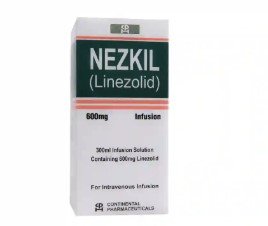
Description
Nezkil Inf 600mg is a sterile, injectable formulation of the potent antibiotic Linezolid, designed for the treatment of severe, resistant Gram-positive bacterial infections. This intravenous infusion is a critical therapeutic agent reserved for complex cases where first-line antibiotics have failed, offering a vital line of defense against formidable pathogens. It is manufactured under stringent Good Manufacturing Practice (GMP) standards, ensuring high purity and consistent potency for clinical efficacy.
✅ Targets Resistant Bacteria: Effective against MRSA (Methicillin-resistant Staphylococcus aureus), VRE (Vancomycin-resistant Enterococci), and other resistant strains.
✅ IV Administration for Critical Care: Ensures rapid and complete bioavailability in hospitalized patients or those requiring intensive therapy.
✅ Bacteriostatic Action: Inhibits bacterial protein synthesis, stopping the growth and spread of infection.
✅ Important Safety Profile: Includes clear, monitored guidelines for use to manage potential side effects and interactions.
What is Nezkil Inf 600mg (Linezolid) and What is it Used For?
Nezkil Inf 600mg is classified as an oxazolidinone-class antibacterial agent. Its primary function is to combat infections caused by multi-drug resistant Gram-positive bacteria. This reserve antibiotic is not intended for mild or initial infections but is prescribed for serious, often hospital-acquired conditions. Physicians rely on Linezolid infusion when other treatment options are unsuitable or ineffective, making it a cornerstone of modern antimicrobial stewardship programs.
What are the Primary Medical Uses and Indications for This Infusion?
The approved uses for Nezkil Inf 600mg are specific and targeted towards serious infections.
H3: Approved Clinical Indications for Linezolid Therapy
Nosocomial Pneumonia: Hospital-acquired pneumonia, including ventilator-associated pneumonia (VAP), caused by Staphylococcus aureus (including MRSA strains).
Community-Acquired Pneumonia: Specifically when caused by penicillin-resistant Streptococcus pneumoniae or complicating factors like concurrent bacteremia.
Complicated Skin and Skin Structure Infections (cSSSI): Including diabetic foot infections without osteomyelitis, surgical site infections, and cellulitis involving MRSA.
Vancomycin-Resistant Enterococcal (VRE) Infections: Such as VRE-associated bacteremia or intra-abdominal infections.
What is the Active Pharmaceutical Ingredient in Nezkil Infusion?
H3: Detailed Ingredient Profile
The sole active ingredient is Linezolid, a synthetic antibacterial agent.
Chemical Name: (S)-N-({3-[3-fluoro-4-(morpholin-4-yl)phenyl]-2-oxo-1,3-oxazolidin-5-yl}methyl)acetamide.
Mechanism of Action: Linezolid works by binding to the 50S subunit of the bacterial ribosome. This unique action inhibits the initiation phase of protein synthesis, a process crucial for bacterial growth and replication. This mechanism differs from other antibiotic classes, which is why it remains effective against bacteria resistant to drugs like penicillins, cephalosporins, and even vancomycin.
Excipients: The infusion solution contains inactive ingredients like sodium citrate, citric acid, and dextrose to maintain stability, pH, and osmolarity for safe intravenous administration.
How is Nezkil Inf 600mg Administered Correctly?
H3: Step-by-Step Guide for Intravenous Infusion
This product is for intravenous infusion only and must be administered by a healthcare professional in a clinical setting.
H4: Administration Protocol and Procedure
Inspection: Check the vial for particulate matter or discoloration before use. Do not use if the solution is not clear.
Dilution: The required dose must be diluted in an appropriate IV solution, typically 5% Dextrose Injection or 0.9% Sodium Chloride Injection, as per the manufacturer’s dilution guidelines.
Infusion Rate: The diluted solution is administered via IV infusion over a period of 30 to 120 minutes, as directed. Rapid infusion is not recommended.
Frequency: The standard dosing interval is every 12 hours (twice daily). The duration of therapy depends on the infection site and clinical response but is typically 10 to 14 days, or as prescribed.
What is the Recommended Dosage for Linezolid Infusion?
Standard Dosage Guidelines for Adults and Adolescents
Standard Adult Dose: 600 mg administered intravenously every 12 hours.
Pediatric Dose (Birth to 11 years): Dosing is based on weight (10 mg/kg per dose) every 8 hours. For adolescents (12 years and older), the adult dose of 600 mg every 12 hours is typically used.
Renal Impairment: No initial dosage adjustment is typically required. However, patients with renal failure may accumulate the two primary metabolites, and monitoring is advised.
Hepatic Impairment: No specific dose adjustment is recommended for mild to moderate hepatic impairment. Use with caution in severe hepatic disease.
Critical Note: Dosage must be individualized by a qualified physician based on the type of infection, pathogen susceptibility, and patient status.
What are the Critical Precautions and Drug Interactions to Know?
Essential Safety Warnings and Contraindications
Using Nezkil Inf 600mg requires vigilance due to its potent nature and specific risks.
Dietary Restrictions: The Tyramine Interaction
Linezolid is a reversible, non-selective monoamine oxidase inhibitor (MAOI). Consequently, patients must avoid foods and beverages high in tyramine to prevent a hypertensive crisis (severe spike in blood pressure).
Strictly Avoid: Aged cheeses (cheddar, blue cheese), cured meats (salami, pepperoni), fermented soy products (soy sauce, miso, tofu), sauerkraut, tap beers, red wine, and overripe bananas.
Duration: This dietary restriction applies during and for at least 2 weeks after completing therapy.
Dangerous Medication Interactions
Concurrent use with the following can cause serotonin syndrome (agitation, fever, tachycardia) or exacerbate hypertension:
Serotonergic Drugs: SSRIs (e.g., fluoxetine), SNRIs (e.g., venlafaxine), tricyclic antidepressants, triptans (for migraines), and certain opioids (e.g., tramadol, meperidine).
Adrenergic Agents: Decongestants containing pseudoephedrine or phenylephrine.
Other MAOIs: Including certain antidepressants and the antibiotic isoniazid.
Patient Monitoring Requirements
Complete Blood Counts (CBC): Weekly monitoring is crucial as Linezolid can cause reversible myelosuppression, including thrombocytopenia (low platelets), anemia, and neutropenia.
Neurological Function: Extended use (beyond 28 days) is associated with peripheral and optic neuropathy. Regular vision and sensory exams are recommended for long-term therapy.
What Potential Side Effects are Associated with Linezolid?
Common and Serious Adverse Reactions
Patients should be informed of possible side effects, which range from mild to severe.
Frequently Reported Side Effects
Gastrointestinal: Diarrhea, nausea, headache.
Oral: Tongue discoloration, oral thrush (candidiasis).
Dermatological: Rash.
Serious Adverse Effects Requiring Immediate Medical Attention
Myelosuppression: Unexplained bleeding/bruising (low platelets), persistent fatigue/shortness of breath (anemia), signs of infection (low white cells).
Neuropathies: Numbness, tingling, pain in extremities (peripheral neuropathy); blurred vision, changes in color vision, or visual field defects (optic neuropathy).
Lactic Acidosis: New-onset rapid breathing, nausea, weakness, dizziness.
Serotonin Syndrome: Confusion, agitation, muscle twitching, sweating, shivering, fever.
Severe Skin Reactions: Stevens-Johnson syndrome, toxic epidermal necrolysis (rare).
Antibiotic-Associated Colitis: Severe, persistent diarrhea due to C. difficile infection.
How Should This Medicinal Product be Stored?
Optimal Storage Conditions for Stability and Safety
Unopened Vials: Store in the original packaging at a controlled room temperature, between 20°C to 25°C (68°F to 77°F). Protect from light and excessive moisture. Do not freeze.
After Dilution: The prepared infusion solution is stable for a defined period (e.g., up to 24 hours at room temperature or longer if refrigerated, depending on the diluent). Consult the package insert for specific stability data.
General: Keep out of reach and sight of children. Do not use after the expiration date printed on the label.
Who Manufactures Nezkil Inf 600mg?
Manufacturer Credentials and Quality Assurance
This product is manufactured by Nezkil Pharmaceuticals, a company committed to producing high-quality critical care medicines. The manufacturing facilities comply with global Good Manufacturing Practice (GMP) standards set by regulatory bodies like the FDA and EMA. This ensures every batch meets rigorous specifications for purity, strength, composition, and sterility. Specific lot numbers and manufacturing dates are traceable on each vial, providing accountability and quality control from production to patient administration.
What are the Key Benefits of Using This Reserve Antibiotic?
Therapeutic Advantages of Linezolid Infusion
Overcomes Multi-Drug Resistance: Provides a reliable treatment option for infections resistant to beta-lactams (penicillins, cephalosporins) and glycopeptides (vancomycin).
Excellent Tissue Penetration: Achieves effective concentrations in skin, soft tissue, lungs, and bones, targeting the infection site.
100% Bioavailability via IV Route: Ensures the entire dose reaches the systemic circulation immediately, which is crucial in critically ill patients with unpredictable oral absorption.
Alternative for Penicillin-Allergic Patients: As a non-beta-lactam antibiotic, it is a viable option for patients with severe penicillin or cephalosporin allergies.
Sequential Therapy Potential: Allows for a smooth transition from IV infusion to oral Linezolid tablets (which have 100% oral bioavailability) for completing a course of treatment, facilitating early hospital discharge.
How Does Linezolid Compare to Other Antibiotics for Resistant Infections?
Comparison Table: Nezkil (Linezolid) vs. Key Alternative Therapies
| Feature/Aspect | Nezkil (Linezolid) | Vancomycin (IV) | Daptomycin (IV) | Teicoplanin |
|---|---|---|---|---|
| Drug Class | Oxazolidinone | Glycopeptide | Lipopeptide | Glycopeptide |
| Primary Use | MRSA, VRE, Pneumonia | MRSA, serious staph | Complicated Staph (Not Pneumonia) | MRSA, VRE (alternative) |
| Mechanism | Protein Synthesis Inhibitor | Cell Wall Synthesis Inhibitor | Cell Membrane Disruptor | Cell Wall Synthesis Inhibitor |
| Pneumonia Efficacy | Yes (key advantage) | Yes | No (contraindicated) | Limited data |
| Typical Monitoring | CBC, Neuropathy | Trough Levels (Renal) | CPK levels (Muscle) | Trough Levels |
| Key Advantage | Oral & IV forms, lung penetration | Long history of use, cost | Once-daily dosing for bacteremia | Longer half-life, once-daily |
| Key Limitation | Myelosuppression, Tyramine diet | Nephrotoxicity, Red Man Syndrome | Pulmonary surfactant binding | Requires loading dose |
Frequently Asked Questions About Nezkil Inf 600mg
Common Patient and Caregiver Queries Answered
Can I eat yogurt or drink coffee while on this medication?
Plain yogurt is generally acceptable. Moderate consumption of coffee and other caffeine-containing beverages is usually safe, but patients should avoid excessive intake as caffeine can sometimes potentiate nervous system side effects. Always consult your doctor.
How long does it take for Linezolid infusion to start working?
Clinical improvement, such as a reduction in fever, can often be seen within 48 to 72 hours of starting therapy for susceptible infections. However, the full course must be completed even if symptoms improve earlier to prevent relapse and antibiotic resistance.
Is this antibiotic effective against all types of infections like UTIs or COVID-19?
No. Linezolid is specifically active against Gram-positive bacteria only. It is not effective against Gram-negative bacteria (like E. coli, which commonly cause UTIs), fungi, or viruses (including SARS-CoV-2, the virus causing COVID-19). It is prescribed based on confirmed or highly suspected Gram-positive infection.
What should I do if a dose is missed during treatment?
If you miss a scheduled infusion dose in the hospital, inform the healthcare team immediately. They will advise on the best course of action, which may involve administering the dose as soon as possible and then resuming the regular schedule. Do not double the next dose.
Can pregnant or breastfeeding women use this infusion?
Linezolid should be used during pregnancy only if clearly needed after a thorough risk-benefit assessment by a physician, as data in pregnant women is limited. It is known to cross into breast milk. A decision should be made to discontinue nursing or discontinue the drug, considering the importance of the drug to the mother.
Why is this considered a ‘reserve’ or ‘last-resort’ antibiotic?
It is classified as a reserve antibiotic to preserve its efficacy. Indiscriminate or widespread use of Linezolid could lead to bacteria developing resistance to it, eliminating a critical treatment option for the most serious, life-threatening infections. Its use is strategically managed under antimicrobial stewardship guidelines.