 Cart is empty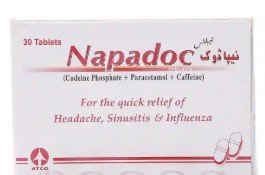
Description
Napadoc Tablets offer a potent pharmacological solution for individuals grappling with acute, moderate to severe pain that does not respond adequately to standard over-the-counter analgesics. This combination analgesic medication, widely utilized in regions like South Africa and Pakistan, synergistically merges the fever-reducing action of Paracetamol (Acetaminophen) with the centrally-acting power of the opioid Codeine, creating an enhanced formula for robust pain management. Designed strictly for short-term use under guidance, it targets debilitating pain conditions effectively, providing patients with a window of relief to facilitate recovery and daily function.
This pain relief medication is engineered to deliver a superior therapeutic outcome, and its key attributes include:
✅ Dual-Action Pain Relief: Combines two distinct analgesic mechanisms for a more comprehensive attack on pain signals.
✅ Targeted Potency: Specifically formulated for pain intensity that surpasses the capability of basic painkillers like paracetamol alone.
✅ Short-Term Protocol: Emphasizes responsible use for acute pain episodes, minimizing the risk of tolerance or dependence.
✅ Versatile Application: Provides therapeutic benefits for a spectrum of painful conditions, from musculoskeletal discomfort to postoperative pain.
✅ Manufactured under strict GMP (Good Manufacturing Practice) standards, ensuring purity, consistent dosage, and pharmaceutical quality.
What are the Primary Uses and Key Features of Napadoc Tablets?
Napadoc Tablets are indicated for the short-term management of acute pain that is moderate to severe in intensity. This prescription medication is not intended for chronic pain conditions or mild, everyday aches.
What Pain Conditions Can Napadoc Tablets Treat?
The clinical uses and therapeutic applications of this analgesic combination are specific and targeted. Patients may be prescribed Napadoc for:
Debilitating Headaches and Severe Migraine Attacks: When standard migraine remedies are insufficient.
Acute Lower Back Pain and Musculoskeletal Pain: Including pain from strains, sprains, and other injuries.
Post-Dental Procedure Pain: Such as pain following tooth extractions, root canals, or other oral surgeries.
Symptomatic Relief from Renal Colic: The intense pain associated with kidney stones.
Managing Pain from Injuries and Fractures: Providing relief during the initial acute phase of trauma.
Postoperative Pain Relief: After surgical procedures, as part of a prescribed pain management plan.
Severe Menstrual Cramps (Dysmenorrhea): For cramping pain that disrupts daily activities.
What are the Defining Features of This Combination Analgesic?
Synergistic Pharmacological Action: Codeine enhances the pain-relieving effects of paracetamol, allowing for lower individual doses while achieving greater efficacy—a principle known as potentiation.
Central Nervous System Targeting: Codeine works directly on opioid receptors in the brain and spinal cord to alter the perception of pain, while paracetamol acts through peripheral and central pathways.
Rapid Onset of Action: When taken as directed, the combination can provide perceptible relief, helping patients return to comfort more quickly.
Schedule-Based Medication: As a codeine-containing product, it is a controlled substance, emphasizing the need for professional medical supervision and responsible use to prevent misuse or addiction.
What Active Ingredients are in Napadoc Tablets and How Do They Work?
The efficacy of Napadoc Tablets stems from its precise blend of active pharmaceutical ingredients (APIs). Each component plays a distinct and complementary role in alleviating pain.
Paracetamol (Acetaminophen): The Foundation Pain Reliever
Standard Adult Dose per Tablet: Typically 500mg.
Primary Function: Classified as a non-opioid analgesic and antipyretic.
Mechanism of Action: While its exact mechanism is not fully defined, it is believed to inhibit the cyclooxygenase (COX) pathways, particularly in the central nervous system, reducing the production of prostaglandins, which are chemicals that promote pain and fever. It has minimal anti-inflammatory effects.
Key Benefit: Provides a solid baseline of pain relief and reduces fever with a generally favorable safety profile at recommended doses.
Codeine Phosphate: The Potentiating Opioid Analgesic
Standard Adult Dose per Tablet: Often 30mg, but available in different strengths.
Primary Function: A weak opioid agonist (narcotic analgesic) and antitussive (cough suppressant).
Mechanism of Action: Codeine is a prodrug, meaning it is metabolized in the liver to morphine, its active form. Morphine then binds to mu-opioid receptors in the brain, brainstem, and spinal cord, diminishing the perception of pain and the emotional response to it.
Key Benefit: Significantly boosts the overall analgesic effect, making the combination suitable for more intense pain that does not respond to non-opioid drugs alone.
Caffeine Anhydrous (in some formulations): The Adjuvant
Primary Function: A central nervous system stimulant.
Mechanism of Action in Analgesia: Caffeine may constrict dilated cerebral blood vessels, which can contribute to certain types of headache pain. More importantly, it is believed to enhance the absorption and increase the effectiveness of analgesics like paracetamol and codeine, allowing them to work faster and more efficiently.
Key Benefit: Can provide an additional edge in relieving certain headaches and may contribute to faster onset of action.
How Should You Use Napadoc Tablets Correctly for Optimal Results?
Adhering to precise directions for use is critical for both safety and achieving the desired therapeutic outcome. This is a prescription-only medication, and your doctor’s instructions are paramount.
What is the General Guidance for Taking This Pain Medication?
Oral Administration: Tablets are to be swallowed whole with a full glass of water. Do not crush, chew, or break the tablets, as this can alter the drug’s release and increase the risk of side effects.
Timing with Meals: Can be taken with or without food. If stomach upset occurs, taking it with a small meal or milk is advisable.
Adherence to Schedule: Take the medication exactly as prescribed, at evenly spaced intervals to maintain a steady level of the drug in your system. Do not take more frequently than directed.
Duration of Use: Use only for the period prescribed by your doctor. This medication is for short-term acute pain management. Do not extend use without medical consultation.
What is the Recommended Dosage Information for Napadoc?
Dosage is highly individualized and must be determined by a healthcare professional based on pain severity, patient response, and medical history. The following is general information, not a substitute for a doctor’s prescription.
What is the Standard Adult Dosage Protocol?
Typical Regimen: One to two tablets every 4 to 6 hours as needed for pain.
Maximum Daily Limit: The absolute maximum is strictly limited by the paracetamol component. Do not exceed 4,000mg of paracetamol per day (typically 8 tablets of a 500mg paracetamol formulation). Many experts now recommend a maximum of 3,000mg daily for safety. The codeine component also has a maximum safe daily limit, which your doctor will specify.
Minimum Effective Dose: The principle of “start low, go slow” often applies. Use the lowest effective dose for the shortest possible duration.
Are There Specific Dosage Instructions for Special Populations?
Elderly Patients: May be more sensitive to the effects, especially codeine. A lower starting dose is often recommended due to potential changes in metabolism and kidney/liver function.
Patients with Hepatic Impairment (Liver Disease): Contraindicated or requires extreme caution and dose reduction, as both ingredients are metabolized by the liver. Paracetamol overdose is a leading cause of acute liver failure.
Patients with Renal Impairment (Kidney Disease): Caution is advised, and dosing intervals may need to be extended. Codeine and its metabolites are excreted renally.
Pediatric Use: Generally not recommended for children under 12 years of age, and never for post-tonsillectomy or adenoidectomy pain in children, due to the risk of life-threatening respiratory depression from codeine.
What Critical Precautions and Warnings Should You Know About?
This powerful medication carries significant risks if misused. Heeding all precautions is non-negotiable for patient safety.
Who Should Avoid Taking Napadoc Tablets?
Individuals with a known hypersensitivity or allergy to paracetamol, codeine, or any other component.
Patients with severe respiratory depression, acute or severe bronchial asthma, or hypercarbia (elevated CO2 in blood).
Those with gastrointestinal obstruction, including paralytic ileus.
Patients using MAO inhibitors (a class of antidepressants) or within 14 days of stopping such therapy.
Individuals with acute liver disease, severe hepatic impairment, or active liver infection.
What are the Important Drug Interaction Warnings?
Napadoc can interact dangerously with:
Other CNS Depressants: Including alcohol, benzodiazepines (e.g., diazepam), other opioids, sedatives, hypnotics, and certain antidepressants. Combining these increases the risk of profound sedation, respiratory depression, coma, and death.
Other Paracetamol-Containing Products: To avoid accidental hepatotoxic overdose, do not take other cough, cold, flu, or pain medications that list acetaminophen or paracetamol as an ingredient.
Drugs Affecting Liver Enzymes: Certain medications can affect how quickly your body processes codeine, altering its effects.
What are the Major Safety Warnings?
Addiction, Abuse, and Misuse: Codeine is an opioid with a potential for abuse, addiction, and dependence, even at prescribed doses. Use only as directed.
Life-Threatening Respiratory Depression: Serious, life-threatening, or fatal breathing problems can occur, especially during initiation or dose increases. Risk is higher in elderly, debilitated patients, and those with pre-existing lung conditions.
Accidental Ingestion: Keep this medication out of reach of children. Even one tablet, if ingested by a child, can be fatal due to the paracetamol content.
Neonatal Opioid Withdrawal Syndrome: Prolonged use during pregnancy can result in withdrawal syndrome in the newborn.
Ultra-Rapid Metabolizers of Codeine: Certain individuals metabolize codeine to morphine more rapidly due to a genetic variance (CYP2D6 enzyme), leading to dangerously high morphine levels. This is a critical consideration.
What are the Possible Side Effects of This Medication?
Like all potent pharmaceuticals, Napadoc Tablets may cause adverse effects. Patients should be informed about both common and serious side effects.
What are Some Common, Less Serious Side Effects?
These may include but are not limited to:
Dizziness, lightheadedness, or vertigo.
Sedation, drowsiness, or feeling faint.
Nausea, vomiting, or constipation (a very common opioid side effect).
Dry mouth, sweating, or mild itching.
Headache or fatigue.
What are the Serious Side Effects Requiring Immediate Medical Attention?
Stop taking the medication and seek emergency medical help if you experience:
Signs of Liver Toxicity: Yellowing of the skin or eyes (jaundice), dark urine, severe nausea/vomiting, pain in the upper right abdomen, extreme fatigue.
Symptoms of Allergic Reaction: Rash, hives, itching, swelling of the face/tongue/throat, severe dizziness, trouble breathing.
Severe Respiratory Depression: Slow or shallow breathing, difficulty waking up, cyanosis (bluish lips/fingernails).
Severe Gastrointestinal Issues: Severe abdominal pain, which could indicate pancreatitis.
Adrenal Insufficiency: Nausea, vomiting, loss of appetite, fatigue, weakness, dizziness.
Serotonin Syndrome: Agitation, hallucinations, fever, sweating, shivering, fast heart rate, muscle stiffness, twitching, loss of coordination.
How Should You Store Napadoc Tablets to Maintain Potency and Safety?
Proper storage is a key aspect of pharmaceutical care.
Temperature: Store in a cool, dry place at room temperature, away from direct sunlight, heat, and moisture. Do not freeze.
Container: Keep tablets in their original, child-resistant blister pack or bottle until use.
Access: Store in a secure, locked cabinet out of sight and reach of children, pets, and visitors to prevent accidental ingestion or intentional misuse.
Disposal: Do not flush unused medication. Follow local guidelines for medication take-back programs or mix with an undesirable substance (like used coffee grounds) in a sealed bag before disposing in household trash.
Who Manufactures Napadoc Tablets and What are Their Credentials?
Napadoc Tablets are manufactured by reputable pharmaceutical companies operating in compliance with international quality standards. Specific manufacturer names may vary by region (e.g., Pharma (Pvt) Ltd in Pakistan or similar licensed entities in South Africa).
GMP Certification: Production facilities are certified for Good Manufacturing Practices (GMP), a global benchmark ensuring products are consistently produced and controlled according to quality standards.
Regulatory Approvals: The product is approved and regulated by the relevant national health authorities, such as the South African Health Products Regulatory Authority (SAHPRA) or the Drug Regulatory Authority of Pakistan (DRAP).
Quality Assurance: Every batch undergoes rigorous quality control testing for active ingredient potency, dissolution rate, purity, and the absence of contaminants.
Sourcing of APIs: Active Pharmaceutical Ingredients are sourced from certified suppliers, guaranteeing high-grade raw materials.
What are the Comprehensive Benefits of Using Napadoc Tablets?
When used appropriately under medical supervision, this combination analgesic offers distinct therapeutic advantages for managing acute pain.
Superior Analgesic Efficacy: Provides a level of pain relief unattainable with single-ingredient, over-the-counter painkillers, effectively bridging the gap to stronger prescription opioids.
Multi-Mechanistic Pain Attack: Addresses pain through different neurological and biochemical pathways (central opioid receptor modulation and prostaglandin synthesis inhibition), offering a more rounded approach to pain suppression.
Improved Functional Outcomes: By adequately controlling severe pain, it can help patients engage in necessary physical therapy, maintain daily activities, and improve overall quality of life during recovery.
Potential for Reduced Opioid Dose: The synergistic effect may allow for a lower effective dose of codeine compared to using it alone, potentially mitigating some opioid-related side effects.
Established Clinical Profile: The paracetamol-codeine combination has a long history of clinical use, and its effects and risks are well-documented in medical literature.
How Does Napadoc Compare to Other Common Pain Relief Alternatives?
The following table provides a semantic comparison to help understand its position among analgesic options.
| Feature / Entity | Napadoc Tablets (Paracetamol + Codeine) | Paracetamol Alone (e.g., Tylenol) | Ibuprofen (NSAID, e.g., Advil) | Stronger Prescription Opioids (e.g., Oxycodone) |
|---|---|---|---|---|
| Best For Pain Type | Moderate to Severe Acute Pain | Mild to Moderate Pain, Fever | Mild to Moderate Pain, Inflammation, Fever | Severe to Very Severe Pain, Chronic Cancer Pain |
| Mechanism of Action | Central Opioid + COX Inhibition (CNS) | COX Inhibition (primarily CNS) | COX Inhibition (Peripheral & Central) | Strong Central Opioid Receptor Agonist |
| Anti-inflammatory | No | No | Yes | No |
| Addiction Potential | Yes (Moderate, due to Codeine) | No | No | Yes (High) |
| Key Risk Factors | Respiratory Depression, Liver Damage, Dependence | Liver Damage (on overdose) | GI Bleeding, Kidney Issues, CV Risk | High Risk of Respiratory Depression, Sedation, Dependence |
| Regulatory Status | Prescription-Only (Schedule) | Over-the-Counter (OTC) | Over-the-Counter (OTC) | Prescription-Only (Strict Schedule) |
Frequently Asked Questions (FAQs) About Napadoc Tablets
Is Napadoc effective for nerve pain or neuropathic pain conditions?
Napadoc Tablets, combining paracetamol and codeine, are primarily formulated for nociceptive pain (pain from tissue damage) like post-surgical, injury, or dental pain. They are generally not considered first-line therapy for neuropathic pain (nerve pain, such as diabetic neuropathy or sciatica), which often requires different medication classes like anticonvulsants (e.g., gabapentin) or certain antidepressants.
Can I become addicted to Napadoc if I use it for back pain?
Yes, there is a risk. Codeine is an opioid with an inherent potential for abuse, addiction, and physical dependence. This risk exists even when taken for a legitimate purpose like back pain. It is crucial to use this medication exactly as prescribed by your doctor, for the shortest duration necessary, and to have open communication about your pain management plan to minimize this risk.
What should I do if I miss a dose of my pain medication?
If you miss a dose, take it as soon as you remember. However, if it is almost time for your next scheduled dose, skip the missed dose and resume your regular dosing schedule. Do not double the dose to “catch up,” as this significantly increases the risk of paracetamol overdose and serious liver damage or opioid toxicity.
How long does it take for Napadoc Tablets to start working?
After oral administration, you can typically expect to begin feeling pain relief within 30 to 60 minutes. The peak analgesic effect usually occurs around 1 to 2 hours after ingestion. The presence of caffeine in some formulations may slightly accelerate the onset of action.
Are there any natural alternatives that work as well as Napadoc for severe pain?
For moderate to severe acute pain that warrants a prescription combination analgesic like Napadoc, there are no reliably equivalent natural or herbal alternatives. While supplements like curcumin or omega-3s may help with inflammatory conditions, they lack the potent, immediate central analgesic action required for severe pain. Always consult a healthcare provider for pain management; self-treating severe pain can be dangerous.
Can I drink alcohol while taking this paracetamol and codeine combination?
Absolutely not. Combining alcohol with Napadoc Tablets is extremely dangerous. Alcohol can potentiate the sedative and respiratory depressant effects of codeine, increasing the risk of overdose, unconsciousness, and death. Furthermore, both alcohol and paracetamol are metabolized by the liver; combining them greatly increases the strain on the liver and the risk of hepatotoxicity, even at doses of paracetamol that would normally be considered safe.