
 Cart is empty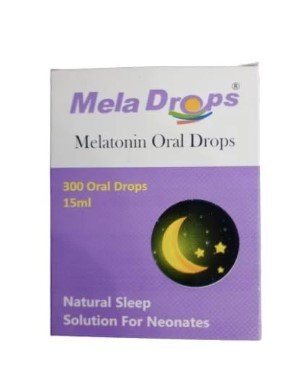
Description
Mela Drops offer a carefully formulated, liquid melatonin supplement designed to support healthy sleep patterns in children. This pediatric sleep solution is crafted for parents seeking a gentle, non-habit-forming aid to help regulate their child’s natural sleep-wake cycle. As a naturally occurring hormone, melatonin in supplemental form can signal the body that it’s time to rest, making it a common consideration for families navigating sleep challenges.
Before considering any supplement, establishing consistent bedtime routines and a calming sleep environment is paramount. Mela Drops are presented as a potential tool within a broader sleep hygiene strategy, always under the guidance of a healthcare professional. This product is manufactured under strict quality controls, providing a precise, easy-to-administer liquid format.
Here is a brief summary of what makes Mela Drops a considered choice:
✔ Contains melatonin, the body’s natural sleep-regulating hormone.
✔ Liquid formulation for easy dosing and rapid absorption.
✔ Supports the establishment of consistent sleep-wake cycles.
✔ Formulated with child-friendly considerations in mind.
✔ Produced in GMP-certified facilities ensuring purity and potency.
✔ Includes a precise dropper for accurate dosage by age and weight.
What Are the Primary Uses and Key Features of Mela Drops?
Mela Drops are designed to address specific sleep-related concerns in the pediatric population. It is crucial to understand that this product is not a sedative but a chronobiotic—a substance that adjusts the timing of the internal biological clock.
Common Uses for Children’s Melatonin Drops
-
Managing Sleep Onset Delays: For children who consistently take over 30 minutes to fall asleep despite a proper routine.
-
Addressing Circadian Rhythm Disruptions: Useful for jet lag, daylight saving time adjustments, or disruptions caused by irregular schedules.
-
Supporting Children with Neurodevelopmental Conditions: Often researched for sleep disturbances associated with Autism Spectrum Disorder (ASD) or Attention-Deficit/Hyperactivity Disorder (ADHD), where melatonin production may be atypical.
-
Counteracting Sleep Regression Periods: May provide temporary support during developmental leaps that disrupt established sleep patterns.
-
Promoting Sleep Consistency: Aims to help synchronize the body’s internal clock for more predictable sleep and wake times.
Standout Features of This Pediatric Sleep Formula
-
Liquid Delivery System: Ensures ease of use for children who have difficulty swallowing pills and allows for fine-tuned, weight-based dosing.
-
High Purity Standards: The synthetic melatonin used is manufactured to minimize impurities, a critical factor for sensitive young bodies.
-
Simple Ingredient Profile: Often free from unnecessary artificial colors, flavors, or common allergens, depending on the specific variant (e.g., Melatop, Melamil).
-
Precision Dosing: The inclusion of a marked dropper empowers parents to administer exact amounts as advised by a pediatrician.
-
Rapid Action: Liquid forms are typically absorbed faster than tablets or gummies, helping to signal sleep onset at the appropriate time.
What Ingredients Are in Mela Drops and How Do They Work?
The formulation prioritizes simplicity and efficacy. The primary active ingredient is supported by generally inert carriers.
Primary Active Ingredient:
-
Melatonin (Synthetic): This is bio-identical to the hormone produced by the pineal gland in the brain. Its role is not to induce sleep forcibly but to reduce the time it takes to fall asleep (sleep latency) by signaling darkness to the brain’s suprachiasmatic nucleus (SCN), the body’s master clock. For children with delayed sleep phases, this signal can help realign their circadian rhythm with desired bedtime hours.
Common Inactive Ingredients (Carriers):
-
Medium-Chain Triglyceride (MCT) Oil or Glycerin: Often used as a solvent base. MCT oil is a easily digested fat that can aid in the absorption of fat-soluble compounds.
-
Natural Flavors: A minimal amount may be added to improve palatability for children.
-
Vitamin E (Tocopherol): Sometimes included as a natural preservative to maintain the stability of the oil base.
The benefit of this streamlined ingredient list is a reduced risk of reactions to non-essential additives, allowing the melatonin to work as intended.
How Should I Safely Administer Mela Drops to My Child?
Correct administration is key to safety and effectiveness. Always follow the specific instructions on your purchased product label and your pediatrician’s advice.
Step-by-Step Directions for Use
-
Shake Gently: Shake the bottle lightly before each use to ensure consistent potency.
-
Prepare the Dropper: Squeeze the rubber bulb of the dropper, insert it into the bottle, and release to draw the liquid up to the marked dose.
-
Administer the Dose: Place the drops directly into the child’s mouth, preferably under the tongue or along the inner cheek for sublingual absorption, or mix with a small amount of cool water or milk in a spoon. Avoid mixing with a full bottle of liquid in case they do not finish it.
-
Timing is Critical: Give the dose 30 to 60 minutes before the desired bedtime. Consistency in timing helps regulate the circadian rhythm.
-
Create a Routine: Use the drops as part of a calming, screen-free pre-sleep routine (e.g., after a bath and before a story).
What is the Recommended Dosage for Children?
Dosage is highly individualized and must be determined by a healthcare provider. The following is a general framework based on common pediatric practices and should not replace professional advice.
General Pediatric Melatonin Dosage Guidelines
-
Starting Dose: The principle is “start low and go slow.” Many pediatricians recommend beginning with the lowest possible dose, often as low as 0.5 mg to 1 mg.
-
Dosage by Weight: A common clinical guideline is 0.05 mg per kilogram of the child’s body weight. For example, a child weighing 20 kg might start with a 1 mg dose.
-
Dosage by Age (General Reference):
-
Infants (Under 1 year): Not typically recommended without direct specialist supervision due to critical brain development.
-
Toddlers (1-3 years): If a doctor recommends, doses often range from 0.5 mg to 1 mg.
-
Preschoolers (3-5 years): Typically 1 mg to 2.5 mg.
-
School-aged (6-12 years): May range from 1.5 mg to 3 mg.
-
Adolescents (12+): Doses may be similar to adult low doses, 2 mg to 5 mg.
-
-
Frequency: Should be used intermittently or for short-term periods (a few weeks) to reset sleep patterns, not necessarily as a permanent nightly solution.
What Precautions Should Parents Take Before Using This Product?
Parental caution and medical consultation are non-negotiable when considering melatonin for a child.
Critical Safety Warnings and Precautions
-
Consult a Pediatrician First: This is the most important step. A doctor must rule out underlying medical, behavioral, or environmental causes of sleep issues (e.g., sleep apnea, anxiety, poor sleep hygiene).
-
Age Restriction: Major pediatric bodies advise extreme caution for children under 3 years and generally discourage use in infants under 1 year due to the hormone’s role in neurodevelopment.
-
Underlying Conditions: Use with caution in children with autoimmune disorders, seizure disorders, or those on immunosuppressant or blood-thinning medications, due to potential interactions.
-
Not a Sedative: Do not use to make a child drowsy for travel or convenience. It is for regulating sleep timing.
-
Purity Concerns: Purchase from reputable sources. Studies have found significant variability in the actual melatonin content of some supplements, with some containing undisclosed serotonin.
-
Behavioral Strategies First: Melatonin should not be the first intervention. Prioritize consistent bedtimes, a dark cool room, and limiting screen time before bed.
Are There Any Potential Side Effects of Melatonin in Children?
While generally well-tolerated at low doses, some children may experience side effects.
Reported Side Effects in Pediatric Use
-
Common Mild Effects: Morning drowsiness, headaches, dizziness, or increased bedwetting.
-
Mood Changes: Some children may experience irritability, mild anxiety, or mood swings.
-
Sleep Disturbances: Paradoxically, vivid dreams, night waking, or earlier waking can occur.
-
Gastrointestinal Issues: Nausea or stomach cramps are possible.
-
Hormonal Interactions: Theoretical concerns exist about long-term use affecting puberty onset, though current evidence is inconclusive. This underscores the need for short-term, doctor-supervised use.
-
Drug Interactions: Can interact with anticoagulants, immunosuppressants, and certain anticonvulsants.
If any adverse effects are observed, discontinue use and consult your child’s doctor.
How Should I Store Mela Drops to Maintain Potency?
Proper storage ensures the supplement remains effective and safe throughout its shelf life.
-
Store in the original bottle, tightly sealed, in a cool, dry place.
-
Keep away from direct sunlight, heat, and moisture (i.e., not in the bathroom).
-
Ensure the product is stored out of reach and sight of children to prevent accidental ingestion.
-
Do not use after the expiration date printed on the packaging.
-
The liquid formulation may have a shorter shelf life after opening compared to tablets; refer to the label.
Who Manufactures Mela Drops and What Are Their Standards?
While “Mela Drops” may be a common descriptive name, specific brands like Melatop or Melamil are produced by pharmaceutical or nutraceutical companies specializing in pediatric formulations.
Typical Manufacturer Information:
-
Manufacturer: Varies by region (e.g., a pharmaceutical company licensed for OTC products in the EU or Pakistan).
-
Quality Certifications: Reputable manufacturers operate in facilities certified for Good Manufacturing Practices (GMP). This ensures every batch meets standards for identity, strength, purity, and composition.
-
Sourcing: The active pharmaceutical ingredient (API) melatonin should be sourced from suppliers who provide Certificates of Analysis (CoA).
-
Contact Information: Legitimate products will have manufacturer or distributor contact details (address, website) on the packaging.
Always verify this information on the physical product you receive. Purchasing from authorized pharmacies or the manufacturer’s official channel is recommended.
What Are the Documented Benefits of Using Melatonin Drops for Sleep Support?
When used appropriately under guidance, melatonin supplementation can offer specific, evidence-based benefits for children with sleep dysregulation.
Evidence-Based Benefits for Pediatric Sleep
-
Reduces Sleep Onset Latency: Multiple studies and meta-analyses conclude that melatonin significantly decreases the time it takes for children to fall asleep.
-
Improves Total Sleep Time: Can contribute to longer, more consolidated sleep periods, which is critical for growth and cognitive development.
-
Regulates Delayed Sleep Phase Syndrome: Effectively helps shift the internal clock forward for children whose natural sleep onset is very late.
-
Non-Habit Forming: Unlike prescription sleep aids, melatonin is not associated with dependency or withdrawal symptoms.
-
Supports Families: Improved child sleep often leads to reduced parental stress and better overall family functioning.
-
Beneficial for Specific Populations: Shows particular efficacy in managing sleep disturbances in children with ASD and ADHD, where sleep problems are prevalent and impact daytime behavior.
How Do Melatonin Drops Compare to Other Sleep Solutions?
This comparison table helps contextualize where melatonin drops fit among common sleep strategies.
| Solution | Best For | Key Mechanism | Considerations for Children |
|---|---|---|---|
| Mela Drops (Melatonin) | Resetting circadian rhythm, sleep onset delays | Hormonal signaling to master clock | Short-term, doctor-supervised use. Not for all ages. |
| Behavioral Sleep Training | Establishing long-term healthy habits | Learning self-soothing, consistent routines | Requires parental consistency. Gold standard first approach. |
| White Noise Machines | Masking disruptive environmental sounds | Creating consistent auditory backdrop | Safe for all ages. Addresses one aspect of sleep environment. |
| Weighted Sleep Sacks/Blankets | Providing deep pressure stimulation | May increase serotonin/melatonin naturally | Must be used safely (proper weight, size). Evidence is emerging. |
| Antihistamine Sleep Aids | Occasional, situational use (e.g., travel) | Sedation via histamine blockade | Can cause morning grogginess, paradoxical agitation. Not for regular use. |
| Prescription Medications | Complex medical sleep disorders | Various (e.g., clonidine, alpha-agonists) | Used in severe cases under strict specialist supervision. |
Frequently Asked Questions About Children’s Melatonin
At what age can you give a child melatonin drops?
Most pediatric sleep experts recommend avoiding melatonin in infants and exercising extreme caution with toddlers under 3. Use is more commonly considered for children over 3-4 years with specific, diagnosed sleep rhythm issues. A pediatrician’s assessment is mandatory.
Is melatonin safe for my autistic child’s sleep problems?
Melatonin is one of the most researched pharmacological interventions for sleep in ASD. Studies show it can be effective and well-tolerated. However, a pediatrician or developmental pediatrician should oversee its use, starting with a very low dose, as children with ASD may be more sensitive to side effects.
How long does it take for kids’ melatonin drops to work?
When taken 30-60 minutes before bedtime, the sleep-signaling effect typically begins within this window, helping your child feel ready for sleep. The goal is not immediate drowsiness but a gradual winding-down feeling aligned with their natural rhythm.
Can my child become dependent on melatonin supplements?
Melatonin is not chemically addictive. However, a behavioral dependency can occur if the supplement is not paired with strong sleep hygiene, meaning the child may struggle to sleep without it if the underlying habits aren’t addressed. This is why it should be part of a broader behavioral strategy.
What are natural alternatives to melatonin drops for babies?
For infants and young babies, non-drug strategies are essential: establishing day/night cycles, ensuring adequate daytime feeding, using swaddles (for young infants), implementing a consistent bedtime routine (bath, book, lullaby), and optimizing the sleep environment (dark, cool, quiet room).



Reviews
There are no reviews yet.