 Cart is empty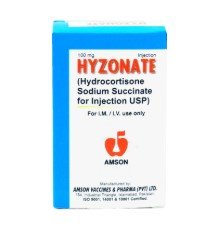
Description
Hyzonate Inj 500mg is a high-potency, injectable corticosteroid medication formulated for rapid therapeutic intervention in critical medical situations. It contains Hydrocortisone Sodium Succinate, a fast-acting steroid ester designed for intravenous or intramuscular administration by healthcare professionals. This prescription medication is a cornerstone in hospital and emergency care for controlling life-threatening inflammatory and allergic responses when immediate effect is paramount. It is not an antibiotic but a powerful immunosuppressant and anti-inflammatory agent.
Here is a brief summary of the core product attributes and clinical benefits:
✓ Rapid-Action Formula: Engineered for swift pharmacological effect via IV/IM routes in emergency settings.
✓ High-Potency Steroid: Delivers a potent 500mg dose of hydrocortisone sodium succinate for severe cases.
✓ Critical Care Solution: Essential for managing anaphylaxis, adrenal crises, and acute inflammatory flares.
✓ Professional Administration: Strictly for use by trained medical personnel in controlled clinical environments.
✓ GMP-Compliant Manufacturing: Produced under stringent quality standards ensuring purity and potency.
What are the Primary Uses and Key Features of Hyzonate Injection?
Hyzonate Inj 500mg serves as a first-line intervention in hospital medicine for conditions requiring immediate suppression of the immune system and inflammation. Its key feature is its rapid onset of action when administered parenterally, bypassing the gastrointestinal tract for direct systemic delivery.
Primary Therapeutic Uses and Indications
This injectable corticosteroid is indicated for a range of severe conditions:
Management of Acute Anaphylaxis: A life-saving intervention for severe, life-threatening allergic reactions (anaphylactic shock) characterized by hypotension, bronchospasm, and angioedema.
Treatment of Adrenal Insufficiency & Crisis: Provides immediate cortisol replacement in patients with Addison’s disease or secondary adrenal failure during physiological stress, surgery, or trauma.
Control of Severe Inflammatory Disorders: Used for acute exacerbations of autoimmune and inflammatory diseases such as:
Status asthmaticus (severe acute asthma)
Systemic Lupus Erythematosus (SLE) flares
Acute rheumatoid arthritis attacks
Severe ulcerative colitis or Crohn’s disease episodes
Management of Dermatological Emergencies: Effective for severe skin conditions like acute Stevens-Johnson syndrome, pemphigus vulgaris, and exfoliative dermatitis.
Adjuvant Therapy for Shock: Used in the supportive management of septic shock, surgical shock, or traumatic shock, though its use is guided by specific clinical protocols.
Cerebral Edema: To reduce swelling in the brain associated with tumors or neurosurgical procedures.
Hypercalcemia of Malignancy: Helps lower elevated serum calcium levels in certain cancers.
Distinguishing Key Features and Benefits
Immediate Bioavailability: Intravenous administration results in near-instantaneous plasma concentrations, crucial for emergency response.
Potent Anti-inflammatory & Immunosuppressive Action: Rapidly reduces cytokine release, inflammatory cell migration, and tissue edema.
Stress-Dose Steroid Coverage: Mimics the body’s natural cortisol surge during stress, preventing adrenal collapse in at-risk patients.
Versatile Administration: Can be administered via slow IV push, IV infusion, or deep intramuscular injection as per clinical need.
Standardized Vial Presentation: The single 500mg vial ensures accurate dosing, reduces preparation error, and is ideal for rapid access in code carts and emergency kits.
What is the Active Ingredient in Hyzonate 500mg Injection?
The sole active pharmaceutical ingredient in Hyzonate Inj is Hydrocortisone Sodium Succinate. This is a water-soluble ester salt of the natural glucocorticoid hormone, hydrocortisone (cortisol).
Detailed Ingredient Breakdown and Pharmacological Benefits
Hydrocortisone Sodium Succinate (500mg): This is the prodrug of hydrocortisone. The succinate ester group enhances water solubility, allowing for direct intravenous or intramuscular injection. Once in the bloodstream, esterases rapidly cleave the succinate moiety, releasing active hydrocortisone.
Key Benefit – Rapid Activation: The succinate formulation allows for immediate parenteral use, converting quickly to the active steroid, providing a faster onset than insoluble steroid esters.
Key Benefit – Physiological Action: Hydrocortisone has both glucocorticoid (anti-inflammatory, metabolic) and mineralocorticoid (sodium-retaining) activity, making it particularly suitable for adrenal replacement therapy.
Key Benefit – Potency: The 500mg dose represents a high-potency, supra-physiological level used to quell severe inflammatory and allergic reactions aggressively.
The vial formulation typically includes necessary excipients like buffers and stabilizers to maintain pH and sterility, compliant with pharmacopoeial standards for injectables.
How is Hyzonate Injection Administered? Directions for Correct Use
CRITICAL: Hyzonate Inj 500mg is a prescription-only medication that must be administered by a qualified doctor, nurse, or healthcare professional in a clinical setting. Self-administration is dangerous and strictly prohibited.
Step-by-Step Professional Administration Guide
Reconstitution: The lyophilized powder in the vial must be reconstituted with an appropriate volume of sterile Bacteriostatic Water for Injection, Sodium Chloride Injection (0.9%), or Dextrose Injection as per the manufacturer’s insert. It forms a clear solution.
Route Selection:
Intravenous (IV) Administration: This is the preferred route for emergencies (anaphylaxis, shock). It can be given as a slow IV push over several minutes or, more commonly, diluted in a compatible IV fluid (e.g., 100-250ml of NS or D5W) and infused over 15-30 minutes.
Intramuscular (IM) Administration: Used when IV access is not immediately available. It is injected deep into a large muscle mass (e.g., gluteus maximus).
Aseptic Technique: Administration must be performed using strict aseptic techniques to prevent contamination and infection.
Monitoring: The patient must be closely monitored during and after administration for vital signs, therapeutic response, and potential adverse reactions like hypersensitivity.
What is the Recommended Dosage for Hyzonate Injection?
Dosage is highly individualized and determined by the treating physician based on the severity of the condition, patient response, and clinical setting. The following are general guidelines reflecting common clinical practice.
Dosage Guidelines Based on Indication
Adrenal Crisis / Acute Adrenal Insufficiency: A typical initial dose may range from 100mg to 500mg IV, followed by continuous infusion or repeat bolus dosing (e.g., 100mg every 8 hours) until stabilization.
Severe Allergic Reactions / Anaphylaxis: An initial dose of 100mg to 500mg IV is common, often given alongside epinephrine. Dosing may be repeated as needed.
Status Asthmaticus: A loading dose of 100mg to 500mg IV, followed by maintenance dosing (e.g., 0.5-1 mg/kg every 6 hours) until bronchospasm resolves.
Shock (as adjunct): High-dose regimens, such as 50mg/kg IV repeated every 4-6 hours or a single 500mg to 2g dose, may be used, though protocols vary significantly.
Anti-inflammatory / Immunosuppressive: For acute flares of autoimmune disease, doses from 100mg to 500mg daily IV are typical, transitioning to oral steroids as condition improves.
Dosage Adjustment Factors: Dose must be adjusted for pediatric patients, the elderly, and those with hepatic impairment. Long-term use requires a tapering schedule to avoid adrenal suppression.
What Precautions and Warnings are Associated with Hyzonate Injection?
Due to its potent systemic effects, the use of Hyzonate Inj carries significant precautions and contraindications.
Critical Warnings and Contraindications
Systemic Fungal Infections: Absolute contraindication in patients with active, untreated systemic fungal infections due to risk of fatal dissemination.
Hypersensitivity: Contraindicated in patients with known hypersensitivity to hydrocortisone, its salts, or any formulation excipient.
Live Virus Vaccinations: Do not administer live or live-attenuated vaccines during therapy due to diminished immune response and risk of infection.
Psychiatric Reactions: May exacerbate pre-existing psychiatric conditions (e.g., psychosis, anxiety) or induce new ones, including steroid-induced mania or depression.
Gastrointestinal Risk: Increases risk of peptic ulcer, GI perforation, and bleeding, especially with concurrent NSAID use. Monitor for abdominal pain.
Essential Precautions for Use
Infections: May mask signs of new infection and increase susceptibility to opportunistic infections (bacterial, viral, fungal, parasitic). Latent tuberculosis (TB) may reactivate.
Endocrine Effects: Can induce hyperglycemia, diabetes mellitus, Cushing’s syndrome, adrenal suppression, and growth retardation in children.
Cardiovascular/Renal: Monitor for fluid retention, hypertension, hypokalemia, and alkalosis. Use with caution in congestive heart failure (CHF) and hypertension.
Ophthalmic Effects: May cause cataracts, glaucoma, or exacerbate ocular herpes simplex. Regular eye exams are advised with prolonged use.
Musculoskeletal: Risk of osteoporosis, vertebral fractures, avascular necrosis of bone, and steroid myopathy. Prophylactic measures may be needed.
What are the Potential Side Effects of Hydrocortisone Sodium Succinate?
Side effects are dose and duration-dependent. Serious side effects are more common with high-dose, intravenous therapy as used with Hyzonate Inj.
Common and Less Serious Adverse Reactions
Metabolic: Increased appetite, fluid retention, weight gain, facial mooning.
Electrolyte Imbalances: Sodium and water retention, potassium loss, hypokalemia.
Neurological/Psychiatric: Insomnia, euphoria, mood swings, nervousness, headache.
Gastrointestinal: Nausea, abdominal distension, indigestion.
Dermatological: Impaired wound healing, thin fragile skin, easy bruising.
Serious Adverse Effects Requiring Immediate Medical Attention
Anaphylactoid Reactions: Signs include rash, hives, itching, difficulty breathing, swelling of the mouth or throat, hypotension – discontinue infusion immediately.
Severe Hyperglycemia: Leading to diabetic ketoacidosis in susceptible individuals.
Signs of Infection: High fever, chills, persistent sore throat, or other signs not masked by the drug’s anti-inflammatory action.
GI Perforation or Bleeding: Severe abdominal pain, tarry stools, vomiting blood.
Pancreatitis: Severe upper abdominal pain radiating to the back.
Cardiac Arrhythmias: Due to severe hypokalemia.
Psychotic Episodes: Severe depression, mania, or psychotic thoughts.
How Should I Store Hyzonate 500mg Vials? Storage Instructions
Proper storage is vital to maintain sterility, potency, and stability of this parenteral medication.
Temperature: Store the un-reconstituted vials in a cool, dry place. Ideally, at controlled room temperature (typically between 15°C to 25°C or as specified on the packaging). Protect from light, excessive heat, and freezing.
Reconstituted Solution: Once mixed, stability varies by diluent. Generally, use the solution immediately. If required to be stored, follow the specific manufacturer’s guidelines regarding refrigeration (2°C to 8°C) and the time limit for use (often 24 hours).
Infusion Solutions: For IV bags prepared for infusion, stability is limited; they should typically be used within 24 hours and protected from light.
Access: Keep out of reach of children and pets. Store in original packaging until use.
Disposal: Used vials, needles, and syringes must be disposed of as biohazardous medical sharps waste according to institutional or local regulations. Do not dispose of in household trash.
Who Manufactures Hyzonate Inj 500mg? Manufacturer Information
Hyzonate Inj 500mg is manufactured by Alnic Life Sciences, a reputable pharmaceutical company committed to producing high-quality critical care and specialty injectable medications.
Manufacturing Standards: The product is manufactured in facilities that are compliant with WHO-GMP (Good Manufacturing Practice) and other international quality standards. This ensures every batch meets stringent specifications for identity, purity, potency, and sterility.
Quality Assurance: The company employs rigorous quality control (QC) and quality assurance (QA) protocols throughout the production process, from raw material sourcing (Active Pharmaceutical Ingredient – API) to final packaging.
Commitment to Healthcare: Alnic Life Sciences focuses on supplying essential medicines to hospitals and healthcare institutions, emphasizing reliability and adherence to pharmacopoeial monographs (IP, BP, USP).
What are the Clinical Benefits of Using Hyzonate Injection?
The benefits of Hyzonate Inj 500mg are rooted in its ability to provide rapid, potent therapeutic action where timing is critical.
Lifesaving Intervention in Anaphylaxis: Rapidly reverses bronchoconstriction and hypotension, stabilizing patients in allergic emergencies alongside primary agents like epinephrine.
Prevents Adrenal Collapse: Provides essential physiological cortisol replacement during surgical stress, trauma, or sepsis in patients with adrenal insufficiency, preventing fatal circulatory shock.
Rapid Control of Inflammation: Swiftly suppresses cytokine storms and inflammatory cascades in severe autoimmune flares, preventing end-organ damage (e.g., in lungs, kidneys, brain).
Reduces Mortality in Severe Conditions: As part of protocolized care, it contributes to improved outcomes in conditions like severe sepsis (in select cases), acute spinal cord injury, and cerebral edema.
Bridges to Oral Therapy: Allows for quick control of a disease flare, after which patients can be safely switched to a tapering course of oral corticosteroids for maintenance.
Versatility and Reliability: The ready-to-mix vial presentation ensures healthcare providers have immediate access to a potent steroid in emergency departments, ICUs, and operating rooms.
How Does Hyzonate Compare to Other Corticosteroid Injections?
The following comparison table highlights key differences between Hyzonate (hydrocortisone sodium succinate) and other commonly used injectable corticosteroids.
| Feature / Entity | Hyzonate Inj (Hydrocortisone Sodium Succinate) | Methylprednisolone Sodium Succinate | Dexamethasone Sodium Phosphate | Prednisolone Acetate (IM) |
|---|---|---|---|---|
| Relative Potency | 1 (Baseline) | 5 (5x more potent than hydrocortisone) | 25-30 (Highly potent) | 4 |
| Mineralocorticoid Activity | High (sodium-retaining) | Low | Negligible | Moderate |
| Onset of Action (IV) | Very Rapid (minutes) | Very Rapid (minutes) | Rapid | Slow (IM depot) |
| Duration of Action | Short (8-12 hours) | Intermediate (12-36 hours) | Long (36-72 hours) | Prolonged (weeks, as depot) |
| Primary Clinical Use | Adrenal crisis, Anaphylaxis (physiologic replacement) | Acute inflammation, Spinal cord injury, ARDS | Cerebral edema, Anti-emetic, Croup | Intra-articular, bursitis |
| Key Distinction | Preferred for adrenal insufficiency due to mineralocorticoid activity. | Balanced potency/duration for acute systemic inflammation. | Long-acting, minimal fluid retention. | Not for IV use; local depot effect. |
Frequently Asked Questions (FAQs) About Hyzonate 500mg
Is Hyzonate Inj an antibiotic or painkiller?
No, Hyzonate Inj 500mg is neither an antibiotic nor an analgesic. It is a corticosteroid (glucocorticoid) medication. Its primary actions are potent anti-inflammatory and immunosuppressive. While it may indirectly reduce pain from inflammation, it is not classified as a painkiller.
How quickly does the Hyzonate injection start working?
When administered intravenously, hydrocortisone sodium succinate has an extremely rapid onset of action. Pharmacological effects can begin within 1 hour, with peak clinical response often observed within 4 to 6 hours. This makes it ideal for emergency situations requiring immediate intervention.
Can this injection be used for chronic back pain or arthritis?
Hyzonate Inj is not intended for the routine management of chronic back pain or osteoarthritis. It is used in a hospital for severe acute exacerbations of inflammatory arthritis (like rheumatoid arthritis) or as an intra-articular injection (though this specific formulation is systemic). Chronic conditions are typically managed with oral steroids or localized injections.
What should I do if I miss a scheduled dose in a treatment course?
This is managed by your healthcare team in the hospital. If a scheduled IV/IM dose is missed, it is usually administered as soon as remembered. However, the next dose is not doubled. For patients transitioning to oral steroids, the prescribing doctor will provide specific guidance on missed doses, which is different from the acute inpatient setting.
Are there any specific dietary restrictions while on this medication?
While on high-dose, short-term therapy, strict dietary restrictions may not be emphasized. However, due to side effects like fluid retention and hyperglycemia, it is often advised to:
Reduce sodium (salt) intake to minimize edema.
Monitor carbohydrate intake as blood sugar may rise.
Increase intake of potassium-rich foods (e.g., bananas, spinach) to counteract potassium loss, unless contraindicated by renal status.
Who should not receive Hyzonate Injection? (Contraindications)
This medication should not be given to individuals with:
Active, untreated systemic fungal or viral infections (e.g., disseminated herpes).
Known severe allergic reaction (hypersensitivity) to hydrocortisone or any component.
Administration of live virus vaccines concurrently.
Idiopathic thrombocytopenic purpura (ITP) – for IM route only, due to risk of hematoma.
What monitoring is required during treatment?
Close clinical and laboratory monitoring is essential:
Vital Signs: Blood pressure, blood glucose (especially in diabetics), weight.
Electrolytes: Serum potassium and sodium levels.
Blood Tests: Complete blood count (CBC), blood glucose monitoring.
Clinical Assessment: For signs of infection, GI distress, mood changes, and edema.