
 Cart is empty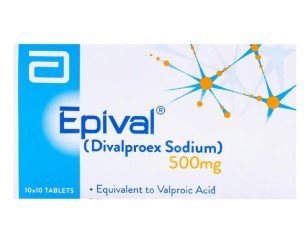
Description
Epival 500mg Tablets are a prescription anticonvulsant and mood-stabilizing medication central to managing complex neurological and psychiatric conditions. Containing the active ingredient Sodium Valproate (also known as Divalproex Sodium), this prolonged-release formulation is engineered to deliver smooth, consistent therapeutic levels, offering patients a more stable treatment experience. This comprehensive guide details everything you need to know about Epival, from its primary uses and mechanism of action to essential safety information, empowering you with knowledge for informed healthcare decisions.
Here is a brief summary of what you will learn about Epival 500mg Tablets:
✓ Primary Therapeutic Actions: Control of seizures, stabilization of manic episodes, and prevention of migraine headaches.
✓ Advanced Delivery System: Prolonged-release (CR) technology for steady drug levels and potentially reduced side effects.
✓ Mechanism of Action: Works by enhancing GABA, the brain’s primary calming neurotransmitter.
✓ Key Safety Protocols: Requires medical supervision, gradual dose titration, and adherence to dietary precautions.
✓ Trusted Manufacturing: Produced under strict Good Manufacturing Practice (GMP) standards for assured purity and potency.
What is Epival 500mg and What Are Its Core Uses?
Epival 500mg is an oral anticonvulsant medication belonging to the class of drugs known as fatty acid derivatives. Its active component, Sodium Valproate, is a well-established first-line and adjunctive therapy for a spectrum of disorders characterized by over-excited nerve activity in the brain. It is not intended for immediate relief of acute symptoms but rather for the long-term management and prevention of conditions.
What Conditions Does Epival 500mg Treat?
Epival 500mg Tablets are a versatile neurologist and psychiatrist-prescribed medication with three principal FDA-approved or equivalent indications.
Epilepsy and Seizure Disorders: It is a cornerstone treatment for various seizure types. This includes generalized seizures (such as absence seizures, myoclonic seizures, and tonic-clonic seizures) and partial or focal-onset seizures. It is effective as monotherapy (used alone) or as part of polytherapy (combined with other antiepileptic drugs) for both adult and pediatric populations.
Bipolar Disorder, Manic Episodes: Epival acts as a potent mood stabilizer. It is clinically proven to manage the symptoms of acute mania and mixed episodes in bipolar I disorder, helping to control elevated mood, grandiosity, pressured speech, agitation, and risk-taking behavior. It is also used for long-term maintenance therapy to prevent recurrent manic or depressive episodes.
Migraine Prophylaxis: For individuals suffering from frequent or severe migraine headaches, Epival serves as a preventive medication. By stabilizing nerve cell membranes and modulating neurotransmitter levels, it can significantly reduce the frequency, severity, and duration of migraine attacks, improving quality of life.
How Does Epival 500mg Work in the Brain?
Understanding the pharmacodynamics of Epival provides insight into its broad efficacy. Its therapeutic action is multifaceted, targeting several pathways to calm excessive neuronal firing.
What is the Primary Mechanism of Action of Sodium Valproate?
The principal mechanism is the enhancement of Gamma-Aminobutyric Acid (GABA) activity. GABA is the major inhibitory neurotransmitter in the central nervous system; it functions as a “brake” on nerve signal transmission.
GABA Enhancement: Valproate is believed to increase the synthesis of GABA and inhibit its breakdown, leading to higher concentrations of this calming chemical in the synaptic cleft.
Channel Modulation: It may also affect voltage-gated sodium channels and T-type calcium channels, stabilizing neuronal membranes and reducing the likelihood of abnormal, synchronized electrical discharges that lead to seizures or manic symptoms.
Overall Effect: This combination of actions results in a general dampening of hyperexcitable states in the brain, which manifests as fewer seizures, a more balanced mood in bipolar disorder, and a reduced propensity for migraine triggers to initiate an attack.
What Are the Key Features and Benefits of the Prolonged-Release Formulation?
The “CR” or prolonged-release feature of Epival 500mg Tablets is a critical aspect of its design, offering distinct clinical and lifestyle advantages over immediate-release formulations.
Steady Plasma Levels: The tablet is engineered to release Sodium Valproate gradually over an extended period (often 12-24 hours). This minimizes the peaks and troughs in blood concentration associated with multiple daily dosing, providing more consistent therapeutic coverage.
Potential for Improved Tolerability: Smoother drug levels can lead to a reduction in concentration-dependent side effects, such as peak-related drowsiness or trough-related breakthrough symptoms.
Enhanced Compliance and Convenience: With a prolonged-release formulation, the dosing frequency is typically reduced to once or twice daily. This simpler regimen improves patient adherence, which is crucial for the long-term success of chronic condition management.
Superior Seizure Control: Consistent drug levels throughout the day and night are particularly beneficial for preventing seizures, offering more reliable protection during vulnerable periods like sleep.
What is the Active Ingredient in Epival 500mg Tablets?
The sole active pharmaceutical ingredient in Epival 500mg Tablets is Sodium Valproate, which is converted to its active form, Valproic Acid, in the body. Divalproex Sodium is a stable coordination compound that dissociates into Valproate ions in the gastrointestinal tract. The tablet contains carefully calibrated excipients to control the release rate, ensure stability, and aid in manufacturing. All ingredients meet high pharmacopoeial standards for purity.
How Should I Take Epival 500mg Tablets Correctly?
Proper administration is vital for safety, efficacy, and minimizing gastrointestinal discomfort. Always follow your prescribing physician’s specific instructions, which are based on your individual condition, response, and concomitant medications.
Swallow Whole: The prolonged-release tablet must be swallowed whole with a full glass of water. Do not crush, chew, or break the tablet, as this will destroy the controlled-release mechanism and cause a rapid, potentially unsafe, dose dump.
Take with Food: To minimize the risk of stomach upset, nausea, or gastric irritation, Epival should be taken with or immediately after a meal.
Consistency is Key: Take your dose at the same time(s) each day to maintain stable blood levels. Use alarms or pill organizers if needed.
Do Not Stop Abruptly: Suddenly discontinuing Epival can provoke withdrawal seizures or a rebound in manic symptoms. Any change in dosage or discontinuation must be managed through a physician-supervised tapering schedule.
What is the Recommended Dosage for Epival?
Dosage is highly individualized and must be determined by a healthcare professional. The following are general guidelines; your doctor will initiate therapy with a low dose and gradually titrate upward based on therapeutic response and tolerability.
Epival Dosage for Epilepsy (Adults and Children):
Initial Adult Dose: Often starts at 300-500mg per day, taken in divided doses (once or twice daily for CR).
Titration: The dose is increased by 150-300mg every 3-7 days until optimal seizure control is achieved.
Maintenance Dose: Typically ranges from 1000mg to 2000mg per day, but some patients may require higher doses. Dosing in children is based on body weight (usually 20-30mg/kg/day).
Epival Dosage for Bipolar Mania:
Initial Dose: A common starting point is 750mg per day in divided doses.
Target Dose: Rapid titration to reach a therapeutic dose, often between 1000mg and 2500mg daily, to achieve rapid control of manic symptoms.
Epival Dosage for Migraine Prevention:
Starting Dose: Typically 500mg per day, either as a single dose or in two divided doses.
Effective Dose: The dose may be increased to 1000mg per day based on clinical response. The goal is the lowest effective dose for prophylaxis.
Critical Note: Therapeutic drug monitoring (measuring Valproate levels in the blood) is often used, especially in epilepsy, to guide dosing and ensure levels are within the therapeutic range (usually 50-100 mcg/mL).
What Are the Critical Precautions and Warnings for Epival?
Epival is a potent medication with several black-box warnings and serious precautions that must be rigorously considered.
Who Should Not Take Epival (Contraindications)?
Patients with Liver Disease: Severe hepatic impairment or active liver disease is a strict contraindication.
Mitochondrial Disorders: Individuals with known urea cycle disorders or polymerase gamma (POLG) gene mutations (e.g., Alpers-Huttenlocher syndrome) must avoid Valproate due to high risk of acute liver failure.
Pregnancy and Women of Childbearing Potential: Valproate is a known teratogen. It carries a high risk of major congenital malformations (neural tube defects like spina bifida, craniofacial defects, cardiac anomalies) and neurodevelopmental disorders in children exposed in utero. It is contraindicated in pregnancy for migraine prevention and should be avoided in pregnancy for epilepsy/bipolar unless there is no effective alternative. Women of childbearing age must use highly effective contraception.
Pancreatitis History: Patients with a history of pancreatitis should not use this medication.
What Are the Major Safety Concerns?
Hepatotoxicity: Liver failure, though rare, can occur, especially in the first 6 months, in children under 2, and those on multiple anticonvulsants. Symptoms like nausea, vomiting, abdominal pain, lethargy, or jaundice require immediate medical attention.
Pancreatitis: Life-threatening pancreatitis can occur at any time. Symptoms include severe, persistent abdominal pain, nausea, and vomiting.
Hyperammonemia: Valproate can cause elevated blood ammonia levels, with or without liver dysfunction, leading to encephalopathy (confusion, lethargy, vomiting).
Thrombocytopenia and Bleeding Risk: It can reduce platelet count, increasing the risk of bleeding or bruising.
Weight Gain and Metabolic Effects: Significant weight gain is common. It can also cause insulin resistance and increase the risk of polycystic ovary syndrome (PCOS) in women.
What Are the Possible Side Effects of Epival 500mg?
Patients may experience a range of side effects, from common and mild to rare and severe.
Common and Generally Manageable Side Effects:
Gastrointestinal: Nausea, vomiting, stomach cramps, indigestion, diarrhea (often mitigated by taking with food).
Neurological: Drowsiness, dizziness, sedation, headache, tremor (especially postural tremor).
General: Weight gain, hair loss (usually temporary, with hair often regrowing curly), changes in appetite.
Hematological: Easy bruising or bleeding due to effects on platelets.
Less Common but Serious Side Effects (Require Medical Alert):
Signs of liver problems (yellowing skin/eyes, dark urine, persistent nausea).
Signs of pancreatitis (severe abdominal pain radiating to the back).
Signs of hyperammonemic encephalopathy (unusual weakness, confusion, vomiting).
Severe skin rash (indicative of DRESS or Stevens-Johnson Syndrome).
Unusual bleeding or bruising, fever, sore throat (signs of blood dyscrasias).
Suicidal thoughts or behavior (a risk associated with all antiepileptic drugs).
How Should I Store Epival 500mg Tablets?
Proper storage ensures medication stability, safety, and efficacy throughout its shelf life.
Temperature: Store at room temperature, between 15°C and 30°C (59°F to 86°F). Avoid freezing or excessive heat.
Environment: Keep the tablets in their original blister pack or container to protect from light and moisture. Do not store in bathrooms or near kitchen sinks.
Safety: Keep the medication out of sight and reach of children and pets, preferably in a locked cabinet.
Disposal: Do not flush unused medication. Consult your pharmacist or local waste authority for proper drug take-back or disposal programs.
Who Manufactures Epival 500mg Tablets?
Epival 500mg Tablets are manufactured by AbbVie Corporation (formerly part of Abbott Laboratories), a global, research-based biopharmaceutical company with a long-standing heritage in neurology. The production facilities adhere to the most stringent international quality standards.
Manufacturing Standards: All batches are produced in compliance with current Good Manufacturing Practices (cGMP) as mandated by regulatory bodies like the FDA, EMA, and Health Canada.
Quality Assurance: Rigorous quality control checks are performed at every stage, from sourcing of active pharmaceutical ingredients (API) to final packaging, ensuring each tablet meets precise specifications for potency, purity, and dissolution profile.
Global Reach: As a product from a major pharmaceutical entity, Epival is subject to ongoing pharmacovigilance and post-market surveillance to monitor its long-term safety profile.
What Are the Comprehensive Health Benefits of Using Epival?
When prescribed appropriately and monitored closely, Epival 500mg offers transformative benefits for patients with challenging conditions.
Effective Seizure Freedom or Reduction: Provides robust control over multiple seizure types, enabling patients to achieve greater independence, reduce injury risk, and improve cognitive function by minimizing seizure-related brain activity.
Rapid Stabilization of Acute Mania: Offers effective control over debilitating manic symptoms, allowing individuals with bipolar disorder to regain stability, function socially and occupationally, and avoid hospitalization.
Proven Migraine Prevention: Reduces the frequency and severity of migraine attacks, decreasing reliance on acute pain medications, minimizing disability days, and enhancing overall quality of life.
Mood Stabilization for Long-Term Wellness: In bipolar disorder, long-term use can help prevent recurrence of both manic and depressive episodes, promoting sustained emotional balance.
Convenient Dosing Regimen: The prolonged-release formulation supports better treatment adherence, which is directly linked to improved long-term health outcomes in chronic diseases.
Well-Established Efficacy Profile: Decades of clinical use and research provide a deep understanding of its benefits and risks, allowing for confident, evidence-based prescribing.
How Does Epival (Valproate) Compare to Other Treatments?
This comparison table highlights key differences between Epival/Valproate and other common medications in its therapeutic classes.
| Feature/Aspect | Epival (Sodium Valproate) | Lamotrigine (e.g., Lamictal) | Carbamazepine (e.g., Tegretol) | Topiramate (e.g., Topamax) |
|---|---|---|---|---|
| Primary Uses | Epilepsy (broad spectrum), Bipolar Mania, Migraine Prophylaxis. | Epilepsy, Bipolar Maintenance (depression). | Epilepsy (focal), Bipolar Mania, Trigeminal Neuralgia. | Epilepsy, Migraine Prophylaxis, Weight Loss (off-label). |
| Mechanism | GABA enhancement, channel modulation. | Sodium channel blocker, glutamate inhibition. | Sodium channel blocker. | Multiple: Sodium channels, GABA, glutamate, carbonic anhydrase. |
| Key Benefits | Broad-spectrum for seizures, rapid antimanic, once/twice-daily CR. | Excellent for bipolar depression, generally weight-neutral. | Effective for neuralgic pain, strong antimanic. | Migraine prevention, promotes weight loss. |
| Common Side Effects | Weight gain, tremor, hair loss, GI upset. | Rash (can be severe-SJS), dizziness, insomnia. | Dizziness, drowsiness, hyponatremia, drug interactions. | Cognitive “fogginess,” tingling, taste alteration, weight loss. |
| Major Safety Concerns | Teratogenicity, hepatotoxicity, pancreatitis, PCOS. | Stevens-Johnson Syndrome (SJS) risk with rapid titration. | Blood dyscrasias, hyponatremia, strong enzyme inducer. | Metabolic acidosis, angle-closure glaucoma, kidney stones. |
| Pregnancy Category | Category D (High Risk) – Significant malformation risk. | Category C – Lower teratogenic risk than valproate. | Category D – Risk of neural tube defects. | Category D – Risk of cleft lip/palate. |
Frequently Asked Questions (FAQs) About Epival 500mg
Can Epival be used for anxiety disorders?
While Epival (Valproate) is not a first-line treatment for primary anxiety disorders like Generalized Anxiety Disorder, it is sometimes used off-label by psychiatrists as an augmenting agent for anxiety symptoms, particularly when they occur within the context of bipolar disorder or are refractory to standard treatments. Its mood-stabilizing and calming GABAergic effects can provide benefit. This use must be carefully evaluated and monitored by a specialist.
How long does it take for Epival to start working?
The onset of action varies by condition. For acute mania in bipolar disorder, some effect may be seen within a few days to a week, with full stabilization taking several weeks. For epilepsy, it begins working once therapeutic blood levels are reached, but optimal seizure control may require weeks of dose titration. Migraine prevention typically requires 2-3 months of consistent use at an effective dose to see a significant reduction in attack frequency.
Is weight gain inevitable with Epival, and can it be managed?
Significant weight gain is a very common side effect but not inevitable for everyone. It appears to be related to increased appetite and possibly metabolic changes. Management strategies include proactive lifestyle counseling at treatment initiation: maintaining a structured, balanced diet, practicing regular physical activity, and setting weight monitoring schedules with your doctor. If weight gain is excessive and problematic, discussing alternative medications with your neurologist or psychiatrist is crucial.
Does the hair loss caused by Epival become permanent?
The hair thinning or loss (alopecia) associated with Valproate is usually temporary and often reversible. The hair typically regrows after a few months, even with continued treatment, though it may have a different texture (e.g., curlier). Ensuring adequate levels of zinc and selenium, as advised by your doctor, may support hair health. If hair loss is severe, a dosage adjustment or switch to an alternative medication may be considered.
What happens if I miss a dose of my Epival tablet?
If you miss a dose, take it as soon as you remember unless it is almost time for your next scheduled dose. In that case, skip the missed dose and resume your regular dosing schedule. Do not double the dose to catch up. Doubling up can lead to toxic side effects. Maintaining a consistent daily routine is key to the effectiveness of this medication.
Can I drink alcohol while taking Sodium Valproate?
It is strongly advised to avoid alcohol while taking Epival. Alcohol is a central nervous system depressant and can synergistically increase the sedative effects of Valproate (drowsiness, dizziness, impaired coordination), raising the risk of accidents. Furthermore, both substances can stress the liver, potentially increasing the risk of hepatotoxicity.
What is the difference between Sodium Valproate and Divalproex Sodium?
Chemically, Divalproex Sodium is a stable coordination compound composed of Sodium Valproate and Valproic Acid in a 1:1 molar ratio. In the body, it dissociates back into Valproate ions. There is no significant clinical difference in efficacy or safety between the two when dose-adjusted appropriately. Divalproex Sodium (available as enteric-coated or extended-release) was initially developed to be better tolerated by the stomach than Valproic Acid itself.


