Cart is empty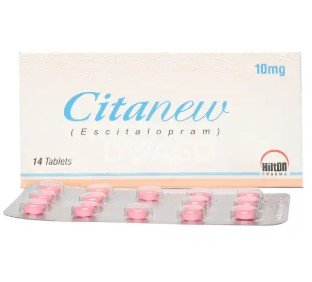
Description
CITANEW TABLET 10 MG is a trusted prescription medication primarily used for the management of hypertension and angina pectoris. It belongs to a class of drugs known as calcium channel blockers, which work by relaxing and widening blood vessels, allowing blood to flow more easily. This action effectively lowers high blood pressure and reduces the strain on the heart, providing significant cardiovascular benefits.
Here is a brief overview of what makes Citanew 10mg a reliable choice for patients and healthcare providers:
✓ Effective Blood Pressure Control: Helps in maintaining healthy blood pressure levels.
✓ Angina Prevention: Reduces the frequency and severity of chest pain attacks.
✓ Cardiovascular Protection: Aids in lowering the overall workload on the heart.
✓ Trusted Formulation: Manufactured under strict Good Manufacturing Practice (GMP) guidelines.
✓ Convenient Dosage: The 10mg strength in a 14-tablet pack offers a standard treatment course.
Wh at are the Primary Uses and Key Features of CITANEW TABLET 10 MG?
CITANEW TABLET 10 MG is designed for specific cardiovascular conditions. Its features are directly linked to its therapeutic benefits, making it a cornerstone in cardiovascular treatment plans.
Primary Therapeutic Uses of CITANEW TABLET 10 MG
Management of Hypertension (High Blood Pressure): Citanew is a first-line treatment for hypertension. By relaxing peripheral arteries, it reduces the pressure within the vascular system, helping to prevent long-term complications such as stroke, heart attack, and kidney problems.
Treatment and Prevention of Chronic Stable Angina: For patients experiencing chest pain due to coronary artery disease, Citanew improves blood flow to the heart muscle. This reduces the heart’s oxygen demand and prevents angina episodes, allowing for better physical activity tolerance.
Management of Vasospastic Angina (Prinzmetal’s Angina): This medication is also effective in treating angina caused by spasms in the coronary arteries.
Key Features and Patient Benefits
Vascular Relaxation: The active ingredient selectively inhibits calcium influx, leading to smooth muscle relaxation in arterial walls.
Sustained 24-Hour Control: With once-daily dosing, it provides consistent blood pressure control throughout the day and night.
Cardioselective Action: It primarily affects vascular smooth muscle with minimal impact on heart muscle contractility at standard doses.
Well-Tolerated Profile: It is generally well-tolerated by most patients, with a established safety record.
Improved Exercise Capacity: By reducing cardiac afterload, it allows individuals with angina to engage in physical activity with less discomfort.
What is the Active Ingredient in CITANEW TABLET 10 MG?
The sole active pharmaceutical ingredient in CITANEW TABLET 10 MG is Nifedipine. This compound is responsible for all its primary therapeutic effects.
Understanding Nifedipine: How It Works in the Body
Nifedipine is a dihydropyridine calcium channel blocker. Its mechanism of action is precise and targeted:
Calcium Channel Blockade: It blocks voltage-dependent L-type calcium channels in vascular smooth muscle and cardiac muscle.
Vasodilation: By inhibiting calcium entry into cells, it prevents muscle contraction, leading to the dilation of systemic arteries and arterioles.
Reduced Peripheral Resistance: This widespread vasodilation results in a significant drop in systemic vascular resistance, which is the primary driver of its blood pressure-lowering effect.
Increased Oxygen Supply: For angina, the dilated coronary arteries increase blood flow and oxygen delivery to the heart muscle.
How Should I Take CITANEW TABLET 10 MG?
Correct administration is crucial for the drug’s efficacy and safety. Always follow your doctor’s precise instructions.
Step-by-Step Guide to Using CITANEW TABLET 10 MG
Follow Prescription Directions: Adhere strictly to the dosage and schedule prescribed by your physician. Do not alter the dose without consultation.
Swallow Whole: The tablet should be swallowed whole with a full glass of water. Do not crush, chew, or break the tablet.
Timing and Consistency: It is typically taken once a day. To help you remember, take it at the same time each day.
With or Without Food: This medication can be taken with or without food, but consistency is key. Choose one method and stick with it to maintain stable absorption.
Do Not Grapefruit: Avoid consuming grapefruit or grapefruit juice while taking this medicine, as it can interfere with metabolism and increase the risk of side effects.
Continuous Use: Continue taking this medicine even if you feel well. High blood pressure often has no symptoms.
What is the Recommended Dosage for CITANEW TABLET 10 MG?
Dosage is individualized based on the patient’s condition and response to therapy. The following is general information, and your doctor will determine the optimal dose for you.
Standard Dosage Guidelines for Adults
For Hypertension: The recommended starting dose is often 10mg to 20mg once daily. Maintenance dosage may be adjusted between 10mg to 40mg once daily based on blood pressure response.
For Angina: The usual initial dose is 10mg taken three times daily. The dosage may be gradually increased to a maximum of 180mg per day, divided into three or four doses.
Elderly Patients or Patients with Liver Impairment: A lower starting dose of 5mg (often using a different formulation) may be recommended, with careful monitoring during dosage adjustment.
It is critical to understand that the 10mg tablet in a 14-pack is often a starting or maintenance dose, and your doctor’s specific prescription overrides any general guideline.
What Precautions Should I Be Aware of Before Taking CITANEW TABLET 10 MG?
Safety is paramount. Discuss your full medical history with your doctor before starting treatment.
Critical Warnings and Drug Interactions
Hypotension: This medication can cause low blood pressure, especially when starting treatment. Rise slowly from a sitting or lying position to avoid dizziness.
Worsening Angina: In some rare cases, starting nifedipine or increasing the dose can cause an increase in the frequency or severity of angina. Report any such changes to your doctor immediately.
Severe Aortic Stenosis: Use with caution in patients with this heart valve condition.
Liver Disease: Patients with impaired liver function may require dose adjustments and close supervision.
Peripheral Edema: Swelling of the ankles and feet is a common side effect due to vasodilation.
Drug Interactions: Inform your doctor if you are taking:
Other blood pressure medications (risk of excessive hypotension).
Beta-blockers (can be used together but requires monitoring).
CYP3A4 inhibitors like ketoconazole, ritonavir, or erythromycin.
Digoxin (nifedipine may increase digoxin levels).
What are the Possible Side Effects of Citanew 10mg?
Like all medicines, Citanew can cause side effects, although not everybody gets them. It is important to distinguish between common and serious effects.
Common and Less Serious Side Effects
These are often mild and may dissipate as your body adjusts to the medicine:
Headache
Dizziness or lightheadedness
Flushing (feeling of warmth)
Peripheral Edema (swelling of ankles/feet)
Fatigue or tiredness
Nausea
Palpitations (awareness of heartbeat)
Serious Side Effects Requiring Medical Attention
Contact your doctor immediately if you experience any of the following:
Signs of a severe allergic reaction: swelling of the face, lips, tongue, or throat; difficulty breathing; severe skin rash.
Very fast, slow, or irregular heartbeat.
Severe dizziness or fainting.
Shortness of breath.
Significant worsening of chest pain.
Yellowing of the skin or eyes (jaundice), which could indicate liver problems.
How Should I Store Citanew Tablets?
Proper storage ensures the stability and potency of the medication throughout its shelf life.
Optimal Storage Conditions for Medication Integrity
Temperature: Store below 30°C (86°F). Do not freeze.
Environment: Keep the tablets in their original blister pack and out of direct sunlight. Protect from light and moisture.
Location: Store in a cool, dry place. A medicine cabinet is ideal.
Safety: Keep out of reach and sight of children and pets.
Who is the Manufacturer of Citanew Tablets?
Trust and authority are built on transparent manufacturer information.
Citanew 10mg Tablets are manufactured by Micro Labs Limited, a renowned pharmaceutical company with a strong reputation. The company operates multiple state-of-the-art manufacturing facilities that are certified for Good Manufacturing Practices (GMP) by various international regulatory bodies. This ensures that every tablet meets stringent standards of quality, purity, and potency. Micro Labs Ltd. is committed to advancing healthcare through rigorous research, development, and quality control processes.
What are the Comprehensive Health Benefits of Using Citanew?
The benefits of consistent Citanew use extend beyond simple symptom relief to long-term cardiovascular risk reduction.
Clinical and Quality of Life Benefits
Reduces Risk of Cardiovascular Events: Effective blood pressure control is directly linked to a lower risk of stroke, heart attack, and heart failure.
Enhances Physical Activity: By preventing angina attacks, it allows individuals to lead a more active and fulfilling life.
Protects Kidney Function: Hypertension is a leading cause of kidney damage; controlling it helps preserve renal health.
Promotes Vascular Health: By reducing mechanical stress on artery walls, it contributes to long-term vascular integrity.
Simple Regimen: The once-daily dosing for hypertension improves patient adherence to treatment, which is critical for long-term success.
How Does Citanew Compare to Other Blood Pressure Medications?
Patients and doctors often consider different classes of antihypertensive drugs. The table below provides a high-level comparison.
Citanew (Nifedipine) vs. Key Antihypertensive Alternatives
| Feature/Aspect | Citanew (Calcium Channel Blocker) | ACE Inhibitors (e.g., Lisinopril) | Beta-Blockers (e.g., Atenolol) | Diuretics (e.g., Hydrochlorothiazide) |
|---|---|---|---|---|
| Primary Mechanism | Relaxes blood vessels by blocking calcium | Blocks angiotensin II formation | Slows heart rate and reduces force | Removes excess salt and water from body |
| Common Side Effects | Ankle swelling, headache, flushing | Dry cough, elevated potassium | Fatigue, cold hands/feet, impotence | Frequent urination, low potassium |
| Best For | Patients with isolated systolic hypertension, angina | Younger patients, those with heart failure | Patients with fast heart rates, post-heart attack | Often used as a first-line therapy, good for volume-related hypertension |
| Key Consideration | Avoid in heart failure; monitor for edema | Cough can be a limiting side effect | Not ideal for asthmatics; can mask low blood sugar | Requires monitoring of electrolyte levels |
Frequently Asked Questions About Citanew 10mg Tablets
Can I stop taking Citanew if my blood pressure is normal?
No, you should not discontinue Citanew abruptly. The normal reading is a result of the medication working. Stopping suddenly can cause your blood pressure to rise rapidly, a phenomenon known as rebound hypertension, which can be dangerous. Always consult your doctor for guidance on discontinuing or adjusting your medication.
How long does it take for Citanew to start working?
Nifedipine begins to have an effect on blood pressure within about 20 minutes after taking a dose, with the peak effect occurring within 1-2 hours. However, for a stable and consistent control of hypertension, it may take a few weeks of regular use to see the full therapeutic benefit.
Is it safe to drink alcohol while on Citanew?
It is generally advised to limit alcohol consumption while taking Citanew. Alcohol can also lower blood pressure and may amplify the side effects of the drug, such as dizziness, lightheadedness, and fainting. Discuss your alcohol intake with your prescribing physician.
What should I do if I miss a dose?
If you miss a dose, take it as soon as you remember. However, if it is almost time for your next scheduled dose, skip the missed dose and continue with your regular dosing schedule. Do not take a double dose to make up for a forgotten one.
Can Citanew be taken during pregnancy?
The use of Citanew (Nifedipine) during pregnancy is a decision that must be made by your doctor, weighing the benefits to the mother against the potential risks to the fetus. It is classified as a pregnancy category C drug and should only be used if clearly needed. Inform your doctor immediately if you are pregnant, planning to become pregnant, or breastfeeding.