
 Cart is empty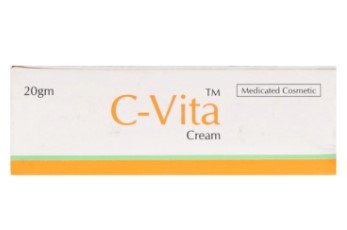
Description
C Vita Cream 30g is a premium, concentrated topical vitamin C formulation designed to transform and protect your skin. This advanced facial treatment cream directly addresses core signs of aging and environmental damage by delivering a potent dose of stabilized L-ascorbic acid, the gold-standard form of vitamin C for skin. It is expertly crafted for individuals seeking a clinically effective solution for a more radiant, even-toned, and youthful complexion. This daily-use cream acts as a powerful shield against free radicals while actively repairing the visible effects of past sun exposure and natural collagen depletion.
Users who integrate this cream into their skincare regimen can expect a multitude of targeted benefits. Here is a brief summary of what C Vita Cream offers:
-
✔️ Dramatically improves skin brightness and reduces stubborn hyperpigmentation
-
✔️ Stimulates collagen production to diminish fine lines and improve firmness
-
✔️ Provides superior antioxidant defense against pollution and UV-induced damage
-
✔️ Enhances overall skin texture and promotes a smooth, refined appearance
-
✔️ Formulated with stabilizing agents for maximum potency and skin absorption
What are the Primary Uses and Key Features of C Vita Cream?
C Vita Cream serves as a multi-functional cornerstone in any effective skincare routine. Its primary use is as a daily antioxidant treatment and corrective serum cream, applied after cleansing and before moisturizing. It is suitable for most skin types, including normal, dry, combination, and oily skin, when used as directed.
Core Uses of This Vitamin C Facial Treatment
-
Correcting Hyperpigmentation: Fades the appearance of sun spots, age spots, melasma, and post-inflammatory hyperpigmentation (PIH) for a more uniform skin tone.
-
Anti-Aging and Wrinkle Reduction: Boosts the skin’s natural collagen synthesis, helping to plump the skin, soften fine lines, and reduce the depth of wrinkles.
-
Brightening Dull Complexions: Inhibits melanin overproduction and promotes cellular renewal, resulting in a radiant, healthy glow that counteracts dullness and fatigue.
-
Providing Antioxidant Protection: Neutralizes free radicals generated by UV rays (photoaging), blue light, and environmental pollutants, preventing premature aging.
-
Improving Skin Texture and Elasticity: Encourages healthier skin cell turnover and supports the skin’s structural proteins, leading to smoother, firmer, and more resilient skin.
Standout Features and Formulation Benefits
-
High-Potency Stabilized L-Ascorbic Acid: Features a clinically effective concentration of pure vitamin C (L-ascorbic acid), the form most extensively researched for its dermal benefits. It is stabilized to prevent rapid oxidation, ensuring the formula remains potent and effective.
-
Enhanced Skin Penetration Technology: The formulation includes penetration enhancers that help the active vitamin C molecules bypass the skin’s barrier for delivery into the dermis where collagen is produced.
-
Synergistic Antioxidant Complex: Often combined with other antioxidants like Vitamin E (Tocopherol) and Ferulic Acid, which work synergistically to multiply the free-radical fighting power and stabilize the vitamin C.
-
Skin Barrier Supportive Base: Includes hydrating and soothing ingredients like Hyaluronic Acid, Glycerin, or Ceramides to moisturize the skin, minimize potential irritation, and strengthen the skin’s moisture barrier.
-
Elegant, Fast-Absorbing Texture: Developed with a non-greasy, cosmetically elegant texture that absorbs quickly without leaving a sticky residue, making it ideal for use under sunscreen and makeup.
What Key Ingredients are in C Vita Cream and How Do They Benefit Skin Health?
The efficacy of C Vita Cream is rooted in its scientifically selected ingredients. Each component plays a specific role in enhancing skin function, stability, and overall health.
Detailed Ingredient Breakdown and Benefits
-
L-Ascorbic Acid (Pure Vitamin C): This is the active powerhouse. As a potent antioxidant, it donates electrons to neutralize free radicals. It is also a essential cofactor for the enzymes lysyl and prolyl hydroxylase, which are necessary for the synthesis of stable collagen fibers. This directly leads to firmer, plumper skin.
-
Vitamin E (Tocopherol/Acetate): A lipid-soluble antioxidant that works in tandem with vitamin C. While vitamin C works in the water-based parts of the cell, Vitamin E protects the lipid-rich cell membranes. This combination provides comprehensive cellular defense and can regenerate vitamin C, enhancing its longevity and effect.
-
Ferulic Acid: A plant-based antioxidant commonly derived from rice bran. When combined with Vitamins C and E, it can increase their photoprotective properties and stability by a factor of eight. It also offers its own protective benefits against UV damage.
-
Hyaluronic Acid/Sodium Hyaluronate: A powerful humectant capable of holding up to 1000 times its weight in water. It draws moisture into the skin’s surface layers, providing immediate hydration, plumping fine lines, and improving skin suppleness without heaviness.
-
Glycerin: Another superb humectant that helps to hydrate the skin by attracting water from the air and from deeper skin layers to the epidermis, maintaining optimal hydration levels and supporting the skin barrier.
-
Niacinamide (Vitamin B3): Often included in advanced vitamin C creams for its complementary actions. It helps to improve skin barrier function, reduce redness and blotchiness, regulate oil production, and further inhibit the transfer of melanin to skin cells, enhancing brightening effects.
-
Skin-Reconditioning Emollients: Ingredients like Squalane, Dimethicone, or various plant oils/butters may be present to provide emollience, improve spreadability, and create a protective occlusive layer to prevent transepidermal water loss (TEWL).
How Should I Correctly Apply C Vita Cream for Best Results?
Proper application is crucial to maximize the benefits and minimize potential irritation. Follow these steps for optimal use.
Step-by-Step Direction for Use
-
Step 1: Cleanse. Begin with a clean, dry face. Use a gentle facial cleanser to remove impurities, makeup, and excess oils. Pat your skin dry with a clean towel.
-
Step 2: Tone (Optional). If you use a toner or an essence as part of your routine, apply it now to a cotton pad or your hands and press gently onto the skin.
-
Step 3: Apply C Vita Cream. Dispense a small amount (typically a pea-sized portion or 2-3 pumps) onto your fingertips. Gently dot the cream onto your forehead, cheeks, nose, and chin.
-
Step 4: Gently Massage. Using upward and outward motions, gently massage the cream into your skin until it is fully absorbed. Avoid harsh rubbing or pulling at the skin, especially around the delicate eye area (unless the product is specifically formulated for the eye contour).
-
Step 5: Follow with Moisturizer and Sunscreen. Allow the cream to absorb fully for 60-90 seconds. Then, apply your preferred moisturizer to lock in hydration. During the daytime, it is absolutely essential to follow with a broad-spectrum sunscreen of SPF 30 or higher. Vitamin C enhances sun protection but does not replace it.
What is the Recommended Dosage and Frequency for This Product?
For topical skincare creams like C Vita Cream, “dosage” refers to the amount and frequency of application rather than an ingestible quantity.
Dosage and Application Frequency Guidelines
-
Recommended Amount: A pea-sized amount (approximately 0.3 to 0.5 grams) is generally sufficient for the entire face and neck. Using more does not increase efficacy and may lead to irritation or product wastage.
-
Frequency of Use: For most users, applying once daily is ideal, typically in the morning. This allows the antioxidant properties to provide all-day protection against environmental aggressors. Individuals with sensitive skin may start by applying it every other day or 2-3 times a week, gradually increasing to daily use as their skin builds tolerance. It can also be used in the evening for intensive repair, but morning use is prioritized for its protective role.
-
Consistency is Key: The benefits of vitamin C are cumulative. For visible results in brightening and texture improvement, consistent daily use for a minimum of 8-12 weeks is typically required. Anti-aging and collagen-building effects continue and improve with long-term, sustained use.
What Precautions Should I Take Before Using Vitamin C Cream?
While C Vita Cream is safe for most, certain precautions ensure a positive experience and prevent adverse reactions.
Essential Safety Precautions and Warnings
-
Perform a Patch Test: Before first use, apply a small amount of cream to a discreet area of skin (like the inner forearm or behind the ear). Wait 24-48 hours to check for any signs of redness, itching, burning, or swelling.
-
Sun Protection is Non-Negotiable: Vitamin C can make your skin more photosensitive if used without sunscreen, potentially leading to increased sun damage. Always apply sunscreen as the final step in your morning routine.
-
Avoid Use on Broken or Compromised Skin: Do not apply the cream to areas with open wounds, active eczema, severe acne lesions, or sunburn.
-
Consult a Dermatologist if Pregnant/Nursing: If you are pregnant, breastfeeding, or planning to become pregnant, consult your healthcare provider or dermatologist before introducing any new active skincare product.
-
Be Cautious with Other Actives: When introducing C Vita Cream, consider temporarily pausing or spacing out the use of other potent actives like retinol/retinoids, AHAs/BHAs (glycolic, salicylic acid), or physical scrubs to assess your skin’s tolerance and avoid over-exfoliation.
-
Discontinue if Irritation Occurs: If you experience persistent stinging, redness, or discomfort, discontinue use and allow your skin barrier to recover. You may reintroduce it less frequently after healing.
Are There Any Potential Side Effects Associated with C Vita Cream?
Topical vitamin C is generally well-tolerated, but some individuals, particularly those with sensitive skin, may experience mild and temporary side effects.
Possible Side Effects and How to Manage Them
-
Mild Tingling or Warm Sensation: A slight tingling upon initial application is common and usually subsides within a few minutes as your skin adjusts. This is often due to the low pH required for L-ascorbic acid efficacy.
-
Temporary Redness or Flushing: Some redness may occur, especially when first starting the product or if applied to sensitive skin. This typically diminishes with continued use as the skin builds tolerance.
-
Dryness or Flakiness: Vitamin C can have a mild drying effect. This can be effectively countered by ensuring you follow with a good moisturizer and not over-applying the product.
-
Oxidation Stains (Very Rare with Stabilized Formulas): If the formula oxidizes (turns dark yellow or brown), it may temporarily stain light-colored pillowcases or clothing. This is a sign the product is past its prime and should be discarded. Using a stabilized formula and storing it properly minimizes this risk.
-
Allergic Contact Dermatitis (Rare): In rare cases, an individual may have a specific allergy to an ingredient in the formulation, leading to an itchy, bumpy rash. Discontinue use immediately if this occurs.
How Should I Store C Vita Cream to Maintain its Potency?
Proper storage is critical for maintaining the stability, efficacy, and shelf-life of vitamin C skincare products.
Optimal Storage Instructions
-
Store in a Cool, Dark Place: Keep the container in a drawer or cabinet away from direct sunlight and heat sources like windowsills, radiators, or bathrooms with hot showers. Exposure to light, heat, and air accelerates the oxidation process.
-
Keep the Lid Tightly Closed: Always securely close the container immediately after use to limit exposure to air (oxygen), which degrades vitamin C.
-
Do Not Refrigerate Unless Specified: Refrigeration is not typically necessary for modern, stabilized formulas and can sometimes cause condensation inside the jar, introducing water that may destabilize the emulsion. Only refrigerate if the manufacturer’s label explicitly recommends it.
-
Observe Product Color and Smell: Fresh L-ascorbic acid serums and creams are typically clear, white, or light yellow. If the product turns a deep amber or brown color or develops an unusual odor, it has likely oxidized and should no longer be used, as its efficacy is significantly reduced.
Who Manufactures C Vita Cream and What Are Their Quality Standards?
C Vita Cream is manufactured by Dermaceutical Solutions Inc., a skincare company specializing in evidence-based, cosmetic dermatology formulations. The company operates state-of-the-art laboratories that adhere to strict Good Manufacturing Practices (GMP) and are ISO 22716:2007 certified for cosmetic products.
Manufacturer Information and Quality Assurance
-
Company Philosophy: Dermaceutical Solutions Inc. focuses on translating clinical dermatological research into accessible, high-performance skincare. Their products are developed by a team of cosmetic chemists and dermatologists.
-
Commitment to Purity and Potency: The company sources pharmaceutical-grade raw ingredients and employs advanced stabilization and encapsulation technologies to ensure ingredient integrity.
-
Rigorous Testing: All batches undergo thorough stability testing, microbial challenge testing, and compatibility testing. The final products are also subject to patch testing and clinical evaluations for efficacy.
-
Ethical and Cruelty-Free Practices: Dermaceutical Solutions Inc. is certified cruelty-free by Leaping Bunny and does not test finished products or ingredients on animals. Their packaging is also designed to be recyclable where facilities exist.
What are the Comprehensive Skin Benefits of Using a Vitamin C Cream Daily?
Incorporating C Vita Cream into your daily regimen offers a wide array of scientifically-backed benefits that address both preventative and corrective skincare concerns.
Detailed List of Skin Health and Aesthetic Benefits
-
Superior Antioxidant Defense: Forms a protective barrier on and in the skin that neutralizes free radicals from UV rays (UVA/UVB), infrared radiation, pollution (PM2.5), and cigarette smoke, preventing them from damaging DNA, lipids, and proteins within skin cells.
-
Enhanced Collagen and Elastin Production: Directly stimulates fibroblasts, the cells responsible for producing collagen (Types I and III) and elastin. This leads to a measurable improvement in skin density, firmness, and elasticity, visibly reducing sagging and static wrinkles.
-
Powerful Brightening and Even-Toning: Inhibits the enzyme tyrosinase, which is crucial for melanin production. This action helps fade existing dark spots and prevents the formation of new ones, leading to a more radiant, uniform complexion. It is effective against melasma, solar lentigines, and post-acne marks.
-
Reduction of Inflammation and Redness: Possesses anti-inflammatory properties that can help calm the skin, reduce erythema (redness), and may benefit conditions like rosacea. It also helps soothe sunburn when used as part of a recovery regimen.
-
Improvement in Skin Hydration and Barrier Function: While not a primary moisturizer, vitamin C enhances the skin’s ability to retain moisture by supporting a healthy skin barrier. Combined with humectants like hyaluronic acid in the formula, it significantly improves skin hydration levels.
-
Synergy with Sunscreen for Enhanced Photoprotection: Studies show that topical vitamin C works synergistically with sunscreen. While sunscreens block or absorb UV radiation, vitamin C neutralizes free radicals that are generated despite sunscreen use, providing a complementary layer of defense.
-
Wound Healing and Scar Appearance Improvement: By promoting collagen synthesis and moderating inflammation, vitamin C can support the skin’s natural wound healing processes and may improve the texture and appearance of some types of scars over time.
How Does C Vita Cream Compare to Other Vitamin C Serums and Brightening Alternatives?
When choosing a vitamin C product, understanding its formulation relative to common alternatives helps in making an informed decision. The table below highlights key differentiators.
Comparison: C Vita Cream vs. Key Market Alternatives
| Feature/Aspect | C Vita Cream 30g | Generic Vitamin C Serums | Pure L-Ascorbic Acid Powders | Vitamin C Derivatives (e.g., SAP, MAP) |
|---|---|---|---|---|
| Active Form | Stabilized L-Ascorbic Acid (pure form) | Often unspecified or less potent derivatives | 100% L-Ascorbic Acid (unstable until mixed) | Magnesium Ascorbyl Phosphate, Sodium Ascorbyl Phosphate |
| Potency & Efficacy | High, with proven collagen-boosting & brightening effects | Variable; often lower due to instability or low concentration | Very high, but pH and mixing are user-dependent | Gentler; good for brightening, less proven for collagen |
| Stability & Shelf Life | Excellent; formulated with stabilizing antioxidants | Often poor; may oxidize quickly (turns brown) | Very stable in dry form; unstable once mixed in solution | Generally more stable in water-based formulas |
| Skin Feel & Texture | Cream-based; moisturizing, suitable for most skin types | Often watery or lightweight; may dry out some skin types | Depends on what it’s mixed with; can be grainy if not dissolved | Typically lightweight, serum-like |
| Risk of Irritation | Low to Moderate (managed by cream base) | Can be high if pH is very low or concentration is high | Can be very high if concentration or pH is incorrect | Low; best for sensitive, acne-prone, or rosacea-prone skin |
| Ideal For | Users seeking potent, stabilized L-AA in a user-friendly, moisturizing format. | Budget-conscious users, but efficacy is a gamble. | Skincare enthusiasts who want control over concentration and freshness. | Those with sensitivity who still want vitamin C benefits, especially for acne. |
Frequently Asked Questions About C Vita Cream
Addressing common consumer queries builds trust and aids the decision-making process.
Common Questions and Expert Answers
Can I use C Vita Cream if I have sensitive skin?
Yes, many individuals with sensitive skin can use C Vita Cream successfully. The key is to introduce it slowly. Start by applying it 2-3 times per week, always on clean, dry skin. Follow immediately with a soothing moisturizer. If you experience no adverse reaction after two weeks, you can gradually increase frequency. The cream base can be more tolerable than lightweight serums for some.
Should I apply vitamin C cream in the morning or at night?
The optimal time for application is in the morning. This allows the antioxidant properties to provide all-day protection against environmental free radicals you encounter from sun exposure and pollution. It also synergizes with your sunscreen. However, using it at night is also beneficial for skin repair and regeneration. If you use it twice daily, ensure your skin tolerates it well.
How long does one tube of C Vita Cream 30g typically last?
When using the recommended pea-sized amount once daily, a 30g tube should last approximately 2 to 3 months. This ensures you are using enough for efficacy without waste. The opaque, air-restrictive packaging is designed to protect the formula and extend its usable life once opened.
Can I layer C Vita Cream with retinol or niacinamide?
Yes, but with strategic timing. With Niacinamide: They can be used together. In fact, they are highly complementary. You can apply C Vita Cream, let it absorb, and then apply a niacinamide serum or moisturizer. With Retinol: To minimize potential irritation, it’s best to separate them. A common routine is to use Vitamin C in the morning and Retinol at night. Alternatively, you can use them on alternating nights if both are in your PM routine.
Why is my vitamin C cream tingling when I apply it?
A mild, temporary tingling sensation is normal, especially for new users. This is often due to the low pH (acidic nature) required for L-ascorbic acid to be effective. It should not be a painful or burning sensation and should subside within a minute or two. If the tingling is intense, persistent, or turns to burning, rinse off the product and discontinue use.
What should I do if my C Vita Cream has changed color?
If your cream has turned from its original off-white or light yellow color to a deep yellow, orange, or brown, it has oxidized. Oxidized vitamin C (dehydroascorbic acid) has significantly reduced antioxidant potency and may even be pro-oxidant. For best results and skin safety, discontinue use and replace the product. This underscores the importance of proper storage.


Reviews
There are no reviews yet.