Best Sunblocks & Sunscreens in Pakistan
Shielding your skin from the sun’s intense rays is not just a summer concern but a year-round necessity in Pakistan. Our curated collection of the best sunblocks & sunscreens in Pakistan offers superior defense against harmful UVA/UVB rays, ensuring your skin remains healthy, youthful, and radiant. Whether you are navigating the humid streets of Karachi, commuting in Lahore, or enjoying the northern areas, we have the perfect formula for you.
Discover the perfect shield for your skin:
-
✔ Broad-Spectrum Protection: Guards against both UVA (aging) and UVB (burning) rays.
-
✔ Variety of Formulations: From lightweight gels for oily skin to hydrating lotions for dry skin.
-
✔ High SPF Options: Ranging from SPF 30 to SPF 60+ for maximum defense.
-
✔ Non-Greasy & Fast-Absorbing: Comfortable wear under makeup or alone, even in humid weather.
-
✔ Skin-Loving Ingredients: Enriched with antioxidants, vitamins, and hydrating agents.
Key Features
When shopping for the best sunblocks & sunscreens in Pakistan, it is essential to know what sets a high-quality product apart. Our top-rated products are selected based on the following premium features:
-
High Sun Protection Factor (SPF 30-60+): We stock products with varying SPF levels. Dermatologists recommend using at least SPF 30 for adequate daily protection, while our SPF 60+ options are perfect for extended outdoor exposure, providing a higher level of defense against erythema (sunburn) .
-
True Broad-Spectrum Coverage: Beyond just SPF (which mainly measures UVB protection), our sunscreens offer comprehensive coverage against the full spectrum of UVA rays. UVA rays penetrate deeper into the dermis, causing premature aging, hyperpigmentation, and long-term damage. Look for labels indicating “Broad Spectrum” or PA++++ ratings .
-
Lightweight & Non-Comedogenic Formulas: A common concern in Pakistan’s climate is the sticky, heavy feeling of sunscreen. Our selection prioritizes non-greasy, matte-finish gels and fluids that absorb quickly without clogging pores, making them ideal for acne-prone and oily skin types .
-
Water-Resistant & Sweat-Resistant: Designed for the active lifestyle, many of our sunscreens are water-resistant for up to 40-80 minutes. This feature ensures protection stays effective during swimming, outdoor sports, or during the perspiration-heavy summer months .
-
Mineral & Chemical Filter Options: We cater to all preferences. Choose gentle mineral sunscreens (containing Zinc Oxide and Titanium Dioxide) that sit on the skin’s surface and reflect rays—perfect for sensitive skin . Alternatively, select elegant chemical sunscreens (containing filters like Avobenzone and Octinoxate) that absorb UV radiation and convert it into harmless heat .
-
Added Skincare Benefits: The best products do more than protect. They are often infused with antioxidants like Vitamin E and C, and hydrators like Hyaluronic Acid, which combat oxidative stress caused by pollution and UV exposure, keeping your skin nourished and moisturized .
Ingredients
Understanding what goes into your sunscreen empowers you to make the best choice for your skin. Here is a breakdown of key ingredients found in the best sunblocks & sunscreens in Pakistan:
Active UV Filters (Organic/Chemical Absorbers)
These ingredients absorb UV radiation and transform it into heat, which is then released from the skin .
-
Avobenzone: A powerful UVA filter that protects against aging rays. It is often stabilized with other ingredients to prevent it from breaking down in the sun .
-
Octinoxate (Octyl Methoxycinnamate): A primary UVB absorber that is highly effective at preventing sunburn .
-
Octisalate & Homosalate: These are weaker UVB absorbers commonly used to boost overall SPF and help stabilize other ingredients like Avobenzone .
-
Octocrylene: A stable and effective absorber of both UVB and some UVA rays. It also helps to improve the water-resistance of the formula .
Active UV Filters (Inorganic/Physical Blockers)
These ingredients create a physical shield on the skin, reflecting and scattering UV light .
-
Zinc Oxide: A mineral filter that provides excellent broad-spectrum protection against UVA and UVB rays. It is renowned for being gentle, non-irritating, and ideal for sensitive or compromised skin .
-
Titanium Dioxide: Another mineral filter that effectively blocks UVB and UVA2 rays. It is often combined with Zinc Oxide for comprehensive protection .
Inactive but Beneficial Ingredients
-
Vitamin E Acetate: A powerful antioxidant that helps neutralize free radicals generated by sun exposure. It also provides moisturizing benefits, keeping the skin soft and supple .
-
Hyaluronic Acid: A humectant that attracts and retains moisture. In sunscreens, it helps counteract the drying effects of sun exposure and some chemical filters, ensuring the skin stays hydrated and plump .
-
Iron Oxides: Found in tinted sunscreens, these pigments provide protection against visible light (HEV/Blue Light), which is particularly beneficial for preventing and managing hyperpigmentation issues like melasma .
Directions for Use
To achieve the full protective benefits of the best sunblocks & sunscreens in Pakistan, correct application is crucial. Most people do not apply enough sunscreen, significantly reducing its effectiveness .
How to Apply Sunscreen Correctly
-
Step 1: Start with Clean Skin. Apply sunscreen as the final step of your morning skincare routine, after moisturizer and before makeup.
-
Step 2: Apply Generously. For the face and neck, a good rule of thumb is the “two-finger method”—squeeze a strip of sunscreen along the length of your index and middle fingers. For the body, adults need approximately 35ml (or 6-8 teaspoons) to cover all exposed areas .
-
Step 3: Apply Before Sun Exposure. For best results, apply sunscreen 15 to 30 minutes before going outside. This allows time for the film to form and for chemical sunscreens to bind to the skin .
-
Step 4: Don’t Miss Spots. Commonly missed areas include the ears, back of the neck, tops of the feet, and the scalp (especially along the hairline).
-
Step 5: Reapply, Reapply, Reapply! Sunscreen is not a one-and-done product. You must reapply at least every two hours. Reapply immediately after swimming, towel drying, or intense sweating .
Dosage Information
Since sunscreen is a topical over-the-counter product, “dosage” refers to the amount used per application.
-
For the Face and Neck: Use approximately 1/4 to 1/2 teaspoon.
-
For the Entire Body: An adult needs about 1 ounce (enough to fill a shot glass) to cover all sun-exposed skin .
-
For Children: Teach children the “ABCs” of sun protection: Away (stay out of peak sun), Block (use SPF 30+), and Cover up (wear protective clothing). Keep infants under 6 months out of direct sunlight entirely .
Precautions
While sunscreens are safe for daily use, observing the following precautions will ensure a positive experience:
-
Patch Test: If you have sensitive skin, perform a patch test on a small area of your arm 24 hours before applying a new sunscreen to your face to check for any allergic reaction.
-
Avoid Eye Contact: Sunscreen can sting the eyes. Apply carefully around the orbital bone and if contact occurs, rinse thoroughly with clean water.
-
Flammability Warning: Sunscreen sprays are flammable. Do not apply them near open flames, cigarettes, or while using electrical sparking devices .
-
For Deep Cuts or Wounds: Do not apply sunscreen to broken or damaged skin.
-
Sun Safety First: Sunscreen is one part of sun safety. For maximum protection, also wear protective clothing, a wide-brimmed hat, and sunglasses, and seek shade during peak sun hours (11 a.m. to 3 p.m.) .
Side Effects
While generally well-tolerated, some individuals may experience mild side effects:
-
Skin Irritation: A mild burning, stinging, itching, or redness can occur, especially with formulas containing alcohol or chemical filters .
-
Allergic Reactions: Though rare, some people may develop contact dermatitis. This can present as a rash, hives, or swelling. Ingredients like oxybenzone and fragrances are common culprits .
-
Acne Breakouts: Heavy, occlusive formulas can sometimes clog pores and lead to breakouts. To avoid this, choose a product labeled “non-comedogenic” or an oil-free gel formula .
-
Dryness or Tightness: Some sunscreens, particularly those with high alcohol content or certain minerals, can be drying. Look for formulas with added humectants like glycerin or hyaluronic acid.
Storage Instructions
Proper storage maintains the efficacy of your sunscreen.
-
Store in a Cool, Dry Place: Keep sunscreen at room temperature, away from direct sunlight and excessive heat. High temperatures can degrade the active ingredients.
-
Keep the Cap Tightly Sealed: This prevents the formula from oxidizing or drying out.
-
Check the Expiry Date: Sunscreen ingredients lose their potency over time. Do not use a product past its expiration date, as it will not provide the stated level of protection .
-
Discard if Texture Changes: If the color, smell, or consistency of the product changes significantly, it is best to replace it.
Manufacturer Information
Our collection features a mix of internationally trusted brands and renowned Pakistani pharmaceutical and skincare manufacturers, ensuring you have access to high-quality, authentic products.
-
Pakistani Brands: We proudly stock local heroes like Pharma Health Pakistan (Pvt) Limited, known for their dermatologically tested SOLARIS range designed specifically for our climate . Other trusted local names include Jenpharm (makers of Sunstop and Dermive) and JADE, which offers innovative mineral formulas .
-
Quality Standards: All products are sourced from manufacturers who adhere to strict quality control measures, including Good Manufacturing Practices (GMP), ensuring you receive a safe and effective product.
Benefits
Investing in the best sunblocks & sunscreens in Pakistan is an investment in your long-term skin health. Here are the scientifically backed benefits of daily sunscreen use:
-
Prevents Sunburn (Erythema): The most immediate benefit. Sunscreen absorbs or reflects UVB radiation, preventing the painful redness and peeling associated with sunburn .
-
Reduces Skin Cancer Risk: Regular, long-term use of sunscreen has been proven to lower the risk of developing both melanoma and non-melanoma skin cancers. Studies show that daily sunscreen users have significantly fewer new primary melanomas compared to discretionary users .
-
Prevents Premature Aging (Photoaging): By blocking UVA rays that break down collagen and elastin, sunscreen helps prevent the formation of fine lines, wrinkles, and age spots, keeping your skin looking youthful for longer .
-
Prevents Hyperpigmentation: Sun exposure triggers excess melanin production, leading to dark spots, melasma, and uneven skin tone. Daily use of broad-spectrum sunscreen is the most critical step in preventing and treating these conditions .
-
Maintains Even Skin Tone: By protecting against UV and visible light, sunscreen helps prevent discoloration and maintains a clearer, more uniform complexion .
-
Protects Against Environmental Damage: Many sunscreens now contain antioxidants that help neutralize free radicals caused by pollution and UV, providing an extra layer of defense for your skin’s health .
Comparison Table
Choosing between different types of sun protection can be confusing. Here is a quick comparison to help you decide:
| Feature | Chemical Sunscreens | Mineral Sunscreens | Hybrid/Tinted Sunscreens |
|---|---|---|---|
| How They Work | Absorb UV rays & convert to heat . | Sit on skin & reflect/scatter UV rays . | Combine mineral filters with iron oxides. |
| Key Ingredients | Avobenzone, Octinoxate, Octocrylene . | Zinc Oxide, Titanium Dioxide . | Zinc Oxide + Iron Oxides. |
| Texture/Finish | Lightweight, invisible, often preferred for deeper skin tones. | Can be thicker; modern “nano” versions are less visible . | Sheer to light coverage; helps blur imperfections. |
| Best For | Dry skin, darker skin tones (no white cast), daily wear under makeup. | Sensitive skin, acne-prone skin, post-procedure skin . | Melasma-prone skin, those wanting a “no-makeup” look . |
| Onset of Action | Requires 15-20 mins to become effective. | Works immediately upon application. | Works immediately upon application. |
FAQs
Here are answers to some of the most common questions about finding the best sunblocks & sunscreens in Pakistan:
1. What is the difference between UVA and UVB rays?
UVB rays have a shorter wavelength and are the primary cause of sunburn (burning). UVA rays have a longer wavelength, penetrate deeper into the skin, and are the main cause of premature aging and wrinkles (aging). You need a “broad-spectrum” sunscreen to protect against both .
2. What SPF is recommended for daily use in a climate like Pakistan?
Dermatologists strongly recommend using a broad-spectrum sunscreen with at least SPF 30 for daily use. If you have a history of skin cancer or will be spending extended time outdoors, an SPF 50 or SPF 60+ is advisable for an extra margin of safety .
3. Do I really need to wear sunscreen if I have dark skin?
Yes, absolutely. While more melanin provides some natural protection, people with all skin tones can get sunburn, hyperpigmentation (dark spots), and skin cancer from UV exposure. Sunscreen is essential for everyone .
4. Is sunscreen with SPF in my moisturizer enough protection?
While a good start, a moisturizer with SPF is often not enough. Most people do not apply the required amount (1/4 tsp for the face) of their moisturizer to achieve the stated SPF. A dedicated sunscreen ensures you get the full, robust protection you need .
5. What does “non-comedogenic” mean and why is it important?
“Non-comedogenic” means the product is formulated specifically not to clog pores. For those with oily or acne-prone skin in Pakistan, this is crucial as it helps prevent sunscreen from causing or worsening breakouts .
6. Can I use the same sunscreen on my face and body?
Yes, you can, but many people prefer separate products. Face sunscreens are often formulated to be lighter, less greasy, and better under makeup, while body sunscreens may focus more on water-resistance and value.
7. How do I remove water-resistant sunscreen at the end of the day?
Water-resistant sunscreens are designed to stay on, so they require a thorough cleanse. Use an oil-based cleanser or a cleansing balm followed by your regular water-based face wash to ensure all traces are removed without leaving residue.
8. Is it safe to use spray sunscreens?
Sprays are convenient but require care. Ensure you spray enough to cover the area and then rub it in. Never spray directly on the face; spray into your hands first and then apply. Be aware that sprays are flammable, so keep them away from heat sources .
Showing all 9 results
-

Beauty of Joseon sunscreen Price in Pakistan | Buy Online
₨ 3,800 Add to cart -

Lazuxe Sunblock SPF 60 45ml
₨ 850 Add to cart -

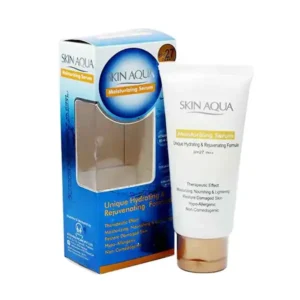
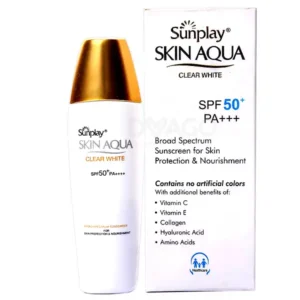
Skin Aqua Sunblock SPF-50 Cream 25g | Buy Online
₨ 2,050 Add to cart -

Solarin Sun Block SPF 60
₨ 494 Add to cart -

Soloban SC Sunblock SPF 40
₨ 1,499 Add to cart -

Spectra Matt SC SPF 40
₨ 1,998 Add to cart -

Sunpro Sun Screen SPF 50
₨ 1,250 Add to cart