
 Cart is empty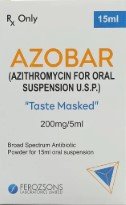
Description
Azobar Syp 200mg 30ml is a dedicated pediatric antibiotic suspension formulated to effectively combat a wide spectrum of bacterial infections in children. This macrolide-class medication contains Azithromycin, a powerful yet well-tolerated active ingredient, presented in a convenient powder form that is mixed into a palatable liquid, making administration easier for young patients. It is prescribed by healthcare providers to treat common childhood ailments, ensuring your child recovers comfortably and completely.
Azobar Syp 200mg 30ml child-friendly antibiotic suspension stands out due to its targeted formulation and ease of use. Below is a summary of its core features and benefits designed to support your child’s health journey.
-
✔️ Precision Treatment: Contains Azithromycin 200mg per 5ml dose, specifically dosed based on your child’s weight for optimal efficacy.
-
✔️ Broad-Spectrum Action: Effectively treats respiratory, skin, and ear infections caused by susceptible bacteria.
-
✔️ Child-Friendly Format: Pleasant-tasting suspension created from mixed powder improves compliance in young children.
-
✔️ Convenient Dosage Regimen: Often requires a shorter course of treatment compared to some older antibiotics, with simple once-daily dosing.
-
✔️ High Safety Standards: Manufactured under strict Good Manufacturing Practices (GMP) ensuring purity, potency, and quality.
What is Azobar Syp 200mg 30ml and What Are Its Primary Uses?
Azobar Syp is a macrolide antibiotic suspension designed for pediatric use. Its primary function is to halt the growth and spread of bacteria responsible for various infections in children. Parents and caregivers often search for reliable treatments for common childhood illnesses, and this suspension is a frequently prescribed option due to its effectiveness and tolerability.
What Bacterial Infections Does Azobar Syp 200mg 30ml Treat in Children?
Pediatricians commonly prescribe Azobar Syp for bacterial infections where a broad-spectrum antibiotic is indicated. Its uses are specific and targeted.
-
Respiratory Tract Infections: This includes community-acquired pneumonia, acute bronchitis, and streptococcal pharyngitis (strep throat).
-
Ear, Nose, and Throat (ENT) Infections: It is effective for acute bacterial sinusitis and otitis media (middle ear infection).
-
Skin and Soft Tissue Infections: The suspension can treat uncomplicated skin infections like impetigo and cellulitis caused by susceptible bacteria.
-
Other Bacterial Illnesses: It may be prescribed for certain urogenital infections, though this is less common in pediatric outpatient settings.
What Are the Key Features and Benefits of This Pediatric Antibiotic?
Understanding the distinct advantages of Azobar Syp can help caregivers feel more confident about their child’s treatment plan. Its features are designed with both clinical efficacy and practical administration in mind.
Why is the Pharmacokinetic Profile of Azithromycin Beneficial for Kids?
Azithromycin, the active entity, has unique properties that translate into direct benefits for pediatric treatment.
-
Long Half-Life and Tissue Penetration: The drug concentrates effectively in infected tissues like the lungs, tonsils, and skin, allowing for a shorter, typically 3 to 5-day course, which enhances adherence.
-
Once-Daily Dosing: Simplifies the administration schedule, reducing stress for both parents and children compared to antibiotics requiring multiple daily doses.
-
Flexible Administration: Can be taken with or without food, although giving it with a small meal can sometimes help minimize potential stomach upset.
-
Generally Good Tolerability: While side effects can occur, many children tolerate azithromycin suspension well, making it a preferred choice in many clinical scenarios.
What is the Active Ingredient in Azobar Suspension and How Does It Work?
The therapeutic power of Azobar Syp comes from its single, carefully measured active component. The formulation is free from unnecessary additives where possible, focusing on delivering the pure drug effectively.
Azithromycin Dihydrate: The Core Antimicrobial Agent
The key ingredient is Azithromycin Dihydrate, standardized to deliver 200mg of Azithromycin per 5ml of the reconstituted suspension. It belongs to the azalide subclass of macrolide antibiotics.
-
Mechanism of Action: Azithromycin works by binding to the 50S ribosomal subunit of susceptible bacteria. This action critically inhibits the process of protein synthesis. By preventing bacteria from manufacturing essential proteins, the drug effectively stops bacterial growth (bacteriostatic effect), allowing the child’s own immune system to clear the infection.
-
Spectrum of Activity: It is effective against a broad range of gram-positive and gram-negative bacteria, as well as some atypical pathogens like Mycoplasma pneumoniae and Chlamydia pneumoniae, which are common causes of “walking pneumonia” in children.
How Should I Correctly Use and Administer Azobar Syrup to My Child?
Proper administration is crucial for the medicine to work effectively and to ensure your child’s safety. Always follow the specific instructions provided by your pediatrician or pharmacist, which may supersede general guidelines.
Step-by-Step Guide for Preparation and Administration
-
Reconstitution: Add the specified amount of cool, purified water to the powder in the bottle. Shake vigorously for 30-45 seconds until a uniform suspension is formed. Use the provided measuring cup or oral syringe for accuracy.
-
Shake Before Each Use: The suspension may settle. It is imperative to shake the bottle well each time before dispensing a dose to ensure consistent potency.
-
Measure Precisely: Use only the accompanying dose-measuring device (cup or syringe). Household teaspoons are not accurate and can lead to under-dosing or overdosing.
-
Timing and Food: Administer the dose at roughly the same time each day to maintain stable drug levels. It can be given with or without food. If stomach upset occurs, try giving it with a small snack or meal.
-
Complete the Full Course: It is essential to give all the medicine for the full number of days prescribed, even if your child starts to feel better earlier. Stopping early can lead to relapse and antibiotic resistance.
What is the Recommended Dosage Information for Azobar Pediatric Suspension?
Dosage is never “one-size-fits-all” for children. It is meticulously calculated based on body weight and the type and severity of the infection. The following table provides a general reference based on common prescribing guidelines, but the doctor’s prescribed dose is always definitive.
Weight-Based Pediatric Dosing Guidelines for Azithromycin
| Infection Type | Typical Dosage Regimen | General Course Duration |
|---|---|---|
| Ear, Sinus, Throat & Respiratory Infections | 10 mg per kilogram of body weight, once daily. | 3 days |
| Community-Acquired Pneumonia | 10 mg/kg on day 1 (maximum 500mg), then 5 mg/kg on days 2 through 5. | 5 days |
| Skin & Soft Tissue Infections | 10 mg/kg on day 1, then 5 mg/kg on days 2 through 5. | 5 days |
Critical Note: This table is for informational purposes. Always administer the exact dose and duration prescribed by your child’s doctor. They will calculate the dose based on your child’s current weight and clinical condition. Never use this information to self-prescribe or adjust an existing prescription.
What Precautions and Warnings Should I Be Aware Of Before Use?
Vigilance and awareness of precautions ensure the safe use of any medication, especially antibiotics for children.
Essential Safety Precautions for Caregivers
-
Allergy Alert: Do not use if your child has a known hypersensitivity to Azithromycin, any other macrolide antibiotic (e.g., Erythromycin, Clarithromycin), or any ingredient in the formulation.
-
Medical History Disclosure: Inform the doctor of your child’s full medical history, especially of liver disease, kidney disease, myasthenia gravis, or heart rhythm problems (e.g., QT prolongation).
-
Drug Interactions: Disclose all other medications your child is taking, including over-the-counter drugs, supplements, and herbal products. Azithromycin can interact with antacids, blood thinners, and certain heart medications.
-
Diarrhea Management: If your child develops severe, persistent, or bloody diarrhea during or after treatment, contact your doctor immediately. This could be a sign of a serious intestinal condition (CDAD – Clostridium difficile-associated diarrhea).
-
Not for Viral Infections: This antibiotic is ineffective against viral illnesses like the common cold or flu. Misuse for viral infections contributes to antibiotic resistance.
What Are the Possible Side Effects of Azithromycin in Children?
Most children tolerate Azithromycin well, but like all medicines, it can cause side effects. Being informed helps in identifying and managing them appropriately.
Common and Serious Adverse Reactions to Monitor
Side effects are typically mild and transient. However, seek medical attention if they are severe or persistent.
More Common Side Effects:
-
Gastrointestinal: Diarrhea, loose stools, abdominal pain, nausea, vomiting, indigestion.
-
General: Loss of appetite, mild skin rash, headache.
Less Common but Serious Side Effects (Contact Doctor Immediately):
-
Severe allergic reactions (hives, itching, swelling of face/lips/tongue, difficulty breathing).
-
Severe or watery diarrhea with cramping and fever.
-
Yellowing of eyes/skin (jaundice), dark urine, persistent nausea (signs of liver issues).
-
Unusual tiredness, irregular or fast heartbeat, chest discomfort.
-
Hearing changes or ringing in the ears.
How Should I Store Azobar Antibiotic Syrup to Maintain Its Potency?
Proper storage is key to maintaining the drug’s stability and safety throughout the treatment course.
Optimal Storage Conditions for Pediatric Suspension
-
Before Reconstitution: Store the powder bottle in a cool, dry place, away from direct sunlight and out of reach of children.
-
After Reconstitution: Once mixed with water, the suspension must be stored in the refrigerator between 2°C to 8°C (36°F to 46°F). Do not freeze.
-
Shelf Life: Note the expiration date on the bottle. The reconstituted suspension is typically stable for a specific period (e.g., 10 days); check the package insert. Discard any unused portion after this period or after the course is complete, whichever comes first.
-
General Rule: Always keep the medicine in its original container with the cap tightly closed.
Who Manufactures Azobar Syp and What Are Their Quality Standards?
Trust in a pharmaceutical product is built on the reputation and standards of its manufacturer.
Azobar Syp 200mg/30ml is manufactured by a licensed pharmaceutical company committed to global quality standards. The production facility adheres to WHO-GMP (World Health Organization – Good Manufacturing Practices) guidelines. This ensures every batch is produced in a controlled, hygienic environment with rigorous quality checks at multiple stages—from sourcing of raw Azithromycin API (Active Pharmaceutical Ingredient) to final packaging. The company employs advanced analytical techniques to verify the identity, purity, strength, and composition of the suspension, providing assurance of a consistently high-quality, effective, and safe pediatric medicine.
What Are the Comprehensive Health Benefits of Using This Medication?
Choosing a prescribed course of Azobar Syp offers multiple layered benefits that contribute directly to your child’s recovery and long-term health.
Clinical and Practical Advantages of Azithromycin Therapy
-
Effective Bacterial Eradication: Directly targets and inhibits the bacteria causing the infection, leading to a reduction in symptoms like fever, pain, and inflammation.
-
Prevention of Complications: By treating the primary infection effectively, it helps prevent the spread of bacteria to other parts of the body or the development of more serious secondary complications, such as rheumatic fever from untreated strep throat or abscesses from skin infections.
-
Faster Recovery and Return to Normalcy: Effective antibiotic therapy shortens the illness duration, allowing your child to return to school, play, and regular activities more quickly.
-
Reduced Contagiousness: For bacterial infections that are contagious, appropriate antibiotic treatment quickly reduces the spread of the bacteria to other children or family members.
-
Supports Antibiotic Stewardship: When used correctly—complete course, right dose, right duration—it helps combat the global threat of antimicrobial resistance, preserving the effectiveness of antibiotics for future generations.
How Does Azobar Syp (Azithromycin) Compare to Other Common Pediatric Antibiotics?
Parents often wonder why a doctor chooses one antibiotic over another. This comparison highlights key differences to provide context, not to suggest self-selection.
Azithromycin vs. Amoxicillin/Clavulanate: A Pediatric Treatment Comparison
| Feature | Azobar Syp (Azithromycin) | Common Alternative (e.g., Amoxicillin/Clavulanate) |
|---|---|---|
| Drug Class | Macrolide/Azalide | Penicillin-class/Beta-lactam |
| Dosing Frequency | Once daily | Typically 2-3 times daily |
| Typical Course Length | Shorter (3-5 days) | Longer (7-10 days common) |
| Spectrum | Broad, includes atypical bacteria | Broad, but different coverage |
| Taste Profile | Generally palatable | Can have a bitter aftertaste for some |
| Key Consideration | First-line for penicillin-allergic patients* | First-line for many infections if no allergy |
| Common GI Side Effects | Diarrhea, abdominal pain | Diarrhea, abdominal pain (may be higher) |
*Important: Cross-reactivity between penicillin and macrolide allergies is very rare, making azithromycin a common alternative for penicillin-allergic children. The final choice depends on the suspected bacteria, local resistance patterns, and child-specific factors.
Frequently Asked Questions About Pediatric Azithromycin Suspension
Can I give Azobar Syp to my child if they missed a dose?
If you miss a dose, give it as soon as you remember. However, if it is almost time for the next scheduled dose, skip the missed dose and continue with the regular dosing schedule. Do not double the dose to catch up.
Is it safe to take this antibiotic suspension with other medicines like paracetamol (acetaminophen) or ibuprofen?
Generally, yes. Azithromycin does not have significant interactions with common fever reducers and pain relievers like paracetamol or ibuprofen. However, always inform your doctor about all concurrent medications to ensure safety.
My child has a penicillin allergy. Is azithromycin suspension a safe alternative?
In most cases, yes. Azithromycin is chemically unrelated to penicillin and is frequently the antibiotic of choice for children with a documented true penicillin allergy. Always confirm this allergy with the prescribing doctor.
Why must I complete the full course even if my child seems better?
Stopping antibiotics early can leave some of the strongest bacteria alive. These survivors can multiply, causing a relapse of the infection that is harder to treat because it may now be resistant to the first antibiotic. Completing the course ensures all bacteria are eliminated.
How long does it take for this antibiotic to start working in kids?
While some symptomatic improvement (like reduced fever) may be seen within 24-48 hours, it is crucial to continue the full course. The infection itself takes time to clear completely. If there is no improvement after 2-3 days, consult your pediatrician.
Can this medicine cause tooth discoloration in young children?
No. Azithromycin is not known to cause tooth staining or discoloration, a concern historically associated with some older classes of antibiotics like tetracyclines. It is considered safe for use in children where appropriate.

Reviews
There are no reviews yet.