 Cart is empty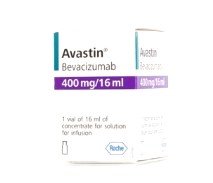
Description
Avastin Injection 400mg, containing the active biological agent Bevacizumab, is a groundbreaking targeted therapy used in the treatment of multiple advanced cancers. It is a monoclonal antibody designed as an angiogenesis inhibitor, working by strategically starving tumors of their blood supply. This intravenous (IV) medication is a cornerstone in modern oncology for managing metastatic and recurrent cancers. Below is a summary of its core attributes presented for easy comprehension.
✔️ Targeted Action: Prevents tumor growth by inhibiting the formation of new blood vessels (angiogenesis).
✔️ Broad Spectrum: Used for colorectal cancer, NSCLC, renal cell carcinoma, glioblastoma, and gynecological cancers.
✔️ Adjuvant Therapy: Typically administered in combination with standard chemotherapy regimens for enhanced efficacy.
✔️ Quality Assured: Manufactured under stringent Good Manufacturing Practice (GMP) standards for guaranteed purity and potency.
What is Avastin Inj and How Does it Work as a Cancer Treatment?
Avastin Injection 400mg is a prescription-only, parenteral anticancer medicine classified as a monoclonal antibody. Its primary mechanism is anti-angiogenesis. The drug specifically targets and binds to Vascular Endothelial Growth Factor (VEGF), a protein secreted by tumors to stimulate the development of new blood vessels (neovascularization). By neutralizing VEGF, Avastin effectively blocks this signaling pathway.
This action deprives the tumor of the oxygen and nutrients necessary for growth and metastasis. Consequently, it can help shrink existing tumors, slow disease progression, and inhibit the development of new malignant lesions. This targeted approach differentiates it from traditional chemotherapy, which attacks all rapidly dividing cells.
Avastin Uses and Key Features: A Comprehensive Guide for Oncology
What are the primary oncological uses of Avastin 400mg?
Avastin (bevacizumab) is indicated for use in combination with other chemotherapeutic agents for the treatment of the following malignancies:
-
Metastatic Colorectal Cancer (mCRC): A first-line and second-line treatment option for cancer that has spread beyond the colon or rectum.
-
Non-Squamous Non-Small Cell Lung Cancer (NSCLC): Used for advanced, metastatic, or recurrent cases.
-
Glioblastoma (GBM): An aggressive type of brain tumor, used upon disease progression following prior therapy.
-
Metastatic Renal Cell Carcinoma (mRCC): For advanced kidney cancer.
-
Persistent, Recurrent, or Metastatic Cervical Cancer: Often used with paclitaxel and cisplatin chemotherapy.
-
Epithelial Ovarian, Fallopian Tube, or Primary Peritoneal Cancer: Used in specific stages, including following initial surgical resection.
What are the defining features and benefits of this VEGF inhibitor?
-
Precision Targeting: Directly interferes with tumor blood supply with a targeted mechanism.
-
Enhanced Chemo Efficacy: Improves the delivery and effectiveness of concomitant chemotherapy.
-
Progression-Free Survival (PFS): Clinically proven to increase the time during which the cancer does not worsen.
-
Standardized Dosage: The 400mg/16ml vial offers a concentrated, ready-to-dilute solution for IV infusion.
-
Global Standard of Care: Incorporated into treatment protocols worldwide, backed by extensive clinical trial data.
Avastin 400mg Key Ingredient: Bevacizumab Explained
The sole active pharmaceutical ingredient in this injection is Bevacizumab. It is a recombinant humanized monoclonal IgG1 antibody produced in Chinese Hamster Ovary (CHO) cell cultures.
How does the Bevacizumab ingredient function biologically?
Bevacizumab is a biologic drug, not a traditional chemical. It is engineered to mimic the body’s natural antibodies but is designed to specifically recognize and attach to the Vascular Endothelial Growth Factor-A (VEGF-A) protein. This high-affinity binding forms a complex that prevents VEGF from interacting with its receptors (VEGFR-1 and VEGFR-2) on the surface of endothelial cells. This blockade is crucial because:
-
It inhibits endothelial cell proliferation and migration.
-
It prevents the formation of new tumor vasculature (angiogenesis).
-
It reduces vascular permeability within the tumor, decreasing interstitial pressure.
Other ingredients include excipients necessary for stability and solubility: trehalose dihydrate, sodium phosphate, polysorbate 20, and water for injections. The formulation is preservative-free.
How is Avastin Administered? Directions for Safe Use
What is the correct method for using Avastin Injection?
Avastin is not for self-administration. It must be prepared and administered by a qualified healthcare professional in a controlled medical setting. The process strictly follows this protocol:
-
Preparation: The required dose is aseptically withdrawn from the vial and diluted into a 100ml bag of 0.9% sodium chloride solution. It must not be mixed with dextrose solutions or administered simultaneously with other medicines in the same IV line.
-
Infusion: The first dose is administered via intravenous infusion over 90 minutes. If well-tolerated, the second infusion may be given over 60 minutes, and subsequent infusions may be given over 30 minutes.
-
Monitoring: Patients are closely monitored during and after the infusion for any adverse reactions.
What is the Recommended Dosage Information for Avastin?
Dosage is highly individualized and determined by the treating oncologist based on cancer type, treatment regimen, body weight, and tolerance. It is always used in combination with other anticancer drugs.
-
Standard Dosing: The typical dose is 5 mg, 7.5 mg, or 15 mg per kilogram of body weight, administered every 2 or 3 weeks, as per the specific treatment protocol.
-
Dosing Calculation Example: For a patient prescribed 5mg/kg every 2 weeks and weighing 70kg, the single dose would be 350mg. The 400mg vial provides a convenient concentration for such dosing.
-
Critical Note: Treatment continues until disease progression or unacceptable toxicity occurs. Dosage modifications or discontinuation may be necessary based on adverse events like severe hypertension, proteinuria, or bleeding.
What are the Critical Precautions and Warnings for Bevacizumab Therapy?
Who should not use Avastin (Contraindications)?
Avastin is contraindicated in patients with:
-
Known hypersensitivity to bevacizumab, its constituents, or other recombinant human antibodies.
-
Active, severe, or uncontrolled systemic infection.
-
Planned major surgical procedure within 28 days prior to or after Avastin dose due to impaired wound healing risk.
-
Pregnancy and breastfeeding.
What conditions require extreme caution before starting treatment?
-
Pre-existing Cardiovascular Disease: Risk of arterial thromboembolic events (ATEs) like stroke or heart attack.
-
History of GI Perforation or Fistula: Avastin can increase this risk.
-
Uncontrolled Hypertension: Must be managed prior to initiation.
-
Risk of Bleeding: Including patients with untreated CNS metastases or on anticoagulant therapy.
-
Older Patients: Increased risk of certain serious adverse reactions.
What are the Potential Side Effects of Avastin 400mg Injection?
Side effects are categorized by frequency and severity. Patients must report any new symptoms to their oncologist immediately.
Common Side Effects (May affect more than 1 in 10 people):
-
Hypertension (high blood pressure)
-
Fatigue and asthenia
-
Diarrhea or constipation
-
Nausea, vomiting, loss of appetite
-
Proteinuria (protein in urine)
-
Epistaxis (nosebleeds)
-
Headache, back pain, abdominal pain
-
Exfoliative dermatitis
Serious Side Effects (Require immediate medical attention):
-
GI Perforation: Severe abdominal pain, fever, nausea.
-
Fistula Formation: Abnormal connections between organs.
-
Hemorrhage: Severe bleeding, including pulmonary or CNS bleeding.
-
Arterial Thromboembolism: Symptoms of stroke or myocardial infarction.
-
Postoperative Wound Healing Complications: Delayed healing, wound dehiscence.
-
Posterior Reversible Encephalopathy Syndrome (PRES): Headache, seizures, visual disturbances.
-
Severe Infusion Reactions: Dyspnea, wheezing, rigor, hypotension.
How Should I Store Avastin Vials? Storage Instructions
-
Temperature: Store in a refrigerator at 2°C to 8°C (36°F to 46°F). Do not freeze. Protect from light.
-
Shelf Life: Use before the expiration date printed on the vial and packaging.
-
Diluted Solution: Once diluted in sodium chloride, chemical and physical stability has been demonstrated for up to 24 hours at 2°C to 8°C. However, from a microbiological perspective, it should be used immediately. Do not store partially used vials.
Who Manufactures Avastin? Manufacturer Information
Avastin (bevacizumab) is originally developed and manufactured by Genentech, Inc., a member of the Roche Group, a global pioneer in biotechnology and oncology. The product supplied is manufactured in facilities that comply with the highest international standards, including:
-
Current Good Manufacturing Practices (cGMP) set by the US FDA, EMA, and other global health authorities.
-
Stringent quality control checks for purity, sterility, and potency.
-
The manufacturing process involves sophisticated mammalian cell culture technology.
What are the Overall Benefits of Avastin in Cancer Management?
How can Avastin improve cancer treatment outcomes?
-
Inhibits Tumor Growth and Spread: By cutting off the blood supply, it can halt the progression of solid tumors.
-
Synergistic Effect: Enhances the cytotoxic action of co-administered chemotherapy, making it more effective.
-
Improves Survival Metrics: Shown to improve Progression-Free Survival (PFS) and, in some cancers, Overall Survival (OS).
-
Treatment Option for Multiple Cancers: Provides a vital therapeutic avenue for several difficult-to-treat advanced cancers.
-
Well-Characterized Safety Profile: While serious risks exist, its profile is extensively documented, allowing for proactive management of side effects.
How Does Avastin Compare to Other Anti-Angiogenic Cancer Therapies?
| Therapy (Generic Name) | Brand Examples | Primary Target | Key Differentiators from Avastin |
|---|---|---|---|
| Bevacizumab | Avastin | VEGF-A (ligand) | The original anti-angiogenic monoclonal antibody; broad range of indications; IV administration. |
| Aflibercept | Zaltrap | VEGF-A, VEGF-B, PlGF (ligand trap) | A recombinant fusion protein that acts as a “VEGF trap”; used in mCRC after oxaliplatin failure. |
| Ramucirumab | Cyramza | VEGFR-2 (receptor) | Targets the VEGF receptor itself; used in gastric, NSCLC, and colorectal cancers. |
| Sunitinib / Pazopanib | Sutent / Votrient | Multiple Tyrosine Kinases (TKIs) | Oral tablets; inhibit multiple pathways including VEGF receptors; used in RCC, GIST. |
Frequently Asked Questions (FAQs) About Avastin 400mg
Is Avastin a form of chemotherapy?
No, Avastin is not traditional chemotherapy. It is a targeted therapy, specifically a monoclonal antibody and angiogenesis inhibitor. It works differently by targeting the tumor’s blood supply rather than directly killing fast-dividing cells.
How long does an Avastin infusion take?
The first infusion typically takes 90 minutes. If well-tolerated, subsequent infusions can be shortened to 60 minutes, and then potentially to 30 minutes for later doses.
Can Avastin cure cancer?
Avastin is not considered a cure for metastatic cancers. It is a treatment that helps control the disease, slow its progression, shrink tumors, and may extend survival and improve quality of life when used as part of a combination regimen.
What should I monitor while on Avastin therapy?
Regular monitoring is crucial and includes:
-
Blood pressure checks (before each infusion and periodically).
-
Urine tests for proteinuria.
-
Blood tests for complete blood count and liver/renal function.
-
Imaging scans (like CT or MRI) to assess tumor response.
What are the signs of a serious reaction to Avastin?
Seek emergency help for: severe headache, vision changes, seizures (PRES), sudden shortness of breath or chest pain (blood clot), severe abdominal pain (perforation), vomiting blood or major bleeding, or signs of a severe infection like high fever.
Is generic bevacizumab available?
Yes, biosimilar versions of bevacizumab have been approved in many regions. These are highly similar but not identical to the reference product (Avastin) and offer alternative treatment options. Always consult your doctor regarding the most appropriate choice.